The Step Drill: Improve Tempo, Balance, and Weight Transfer
The mechanics of a golf swing can be complex. A lot is going on in one swing.
Sometimes, a drill that gets your focus away from mechanics and more into tempo and a clean finish can help you become a better ball striker.
The Step Drill addresses your entire swing and helps you develop a consistent tempo. It works for golfers of all handicaps and skill levels.
If your game feels inconsistent, it’s a good one to add to your regular drill list.
The Step Drill (Key Takeaways)
To make the most of the Step Drill, review these key takeaways first. They will give you a head start in understanding, but also help later as reminders to keep you focused and on track.
- Optimize your timing and tempo throughout the entire swing.
- Works great for indoor and outdoor practice areas.
- Helps address body rotation and balance to generate more power.
- Focuses on a complete follow-through after each rep.
- Use the complementary drills below to solidify your understanding of how your tempo works and how to customize it to suit your swing.
Contents
The Secret to a Better Golf Swing Starts with Your Wrists!
Your clubface angle at impact controls over 80% of your shot’s direction—and it all comes down to your wrists. Click here for the best drills to master your wrist mechanics and take control of your swing.
The Purpose of the Step Drill
The primary purpose of the Step drill is to develop better weight transfer and balance.
One of the most important moves that happens in the swing is a transfer of weight from the trail foot to the lead foot on the downswing. It helps you generate clubhead speed and maintain control of the face.
Working on the Step Drill can help reduce the risk of common swing faults like casting or early release. It also encourages proper sequencing of the lower and upper body.
Who the Step Drill Helps Most
Not every drill works for every player. If you’re trying to determine if the Step Drill will help your game, start here:
- Golfers Struggling with Weight Transfer: Hitting behind the ball (fat shots), early ball strikers, topping the ball, and those who “hang back” on their back foot experience these results of poor weight shift. Also, if you tend to reverse pivot (moving weight to the back foot during the downswing), the Step Drill forces proper forward weight transfer.
- Players Seeking More Power and Distance: The Step Drill encourages a dynamic move into the lead foot, generating more force. That extra force can lead to more distance.
- Beginners and High-Handicappers: This drill is great for newer golfers to develop the feeling of athletic movement in the swing rather than being static or “stuck”.
- Golfers with Poor Rhythm or Timing: If you start your downswing with the arms/hands, you’ll struggle with consistent contact. The Step Drill helps synchronize lower- and upper-body movement.
- Players Not Finishing Swings Properly: If you’re still finishing your swing looking down at the ground or struggling to keep your balance, it’s time to make a change.
How to do the Step Drill (Step-by-Step)
The Step Drill may feel awkward at first, so start without a ball and give yourself a few rehearsal swings to let the footwork and club movement sync up before hitting shots.
Get the process down before you worry about speed.
- Video Timestamp: 3:10 – 4:34
The Step Drill – Step by Step:
- Take your normal setup and address a ball with the only difference being your feet should be together or only an inch or two between them.
- Start your swing by moving the clubhead ahead of the ball by about two feet.
- As your club starts backwards, step your trailing foot to its proper stance position.
- As you start your downswing, move your lead foot to its proper position.
- After you strike the ball, continue to your normal full follow-through position.
How to Use Hackmotion to Optimize The Step Drill
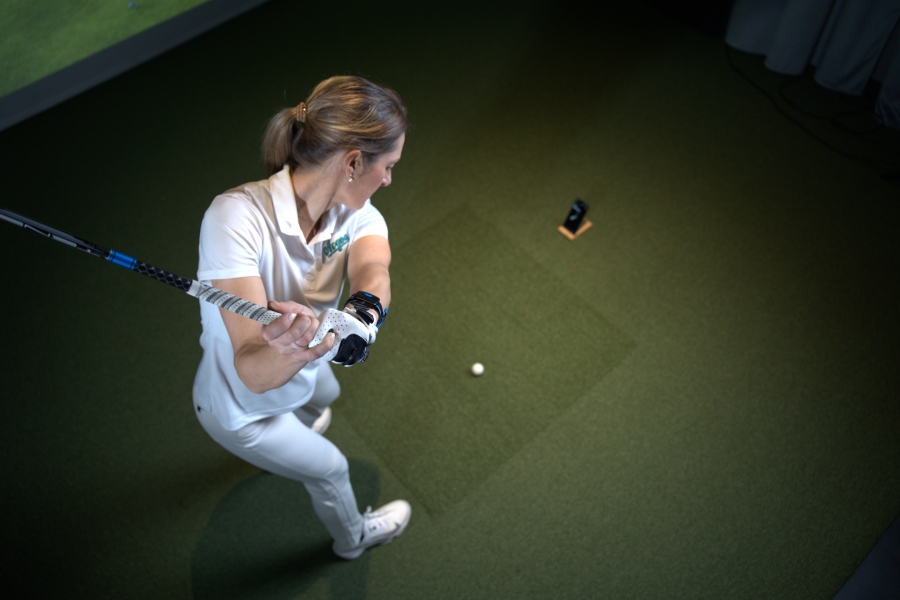
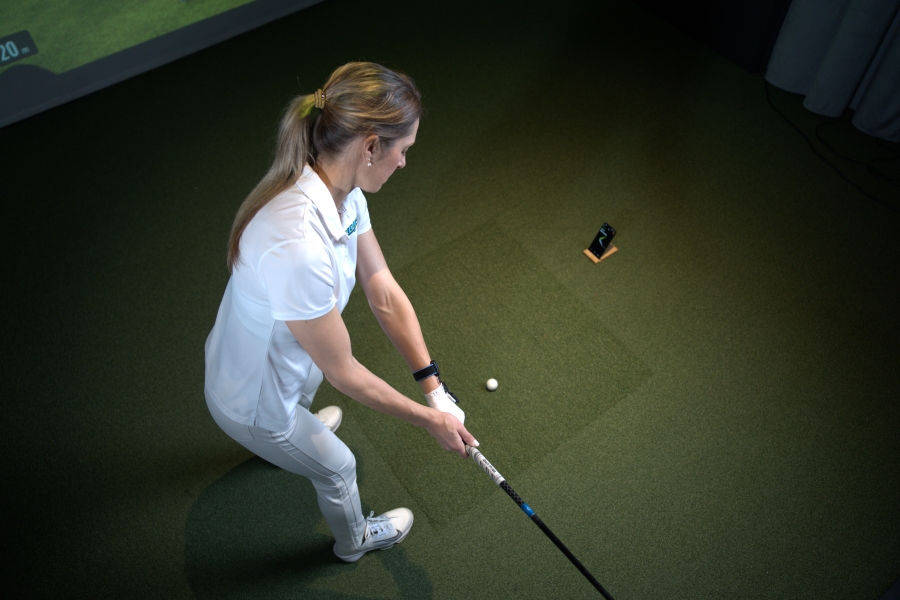
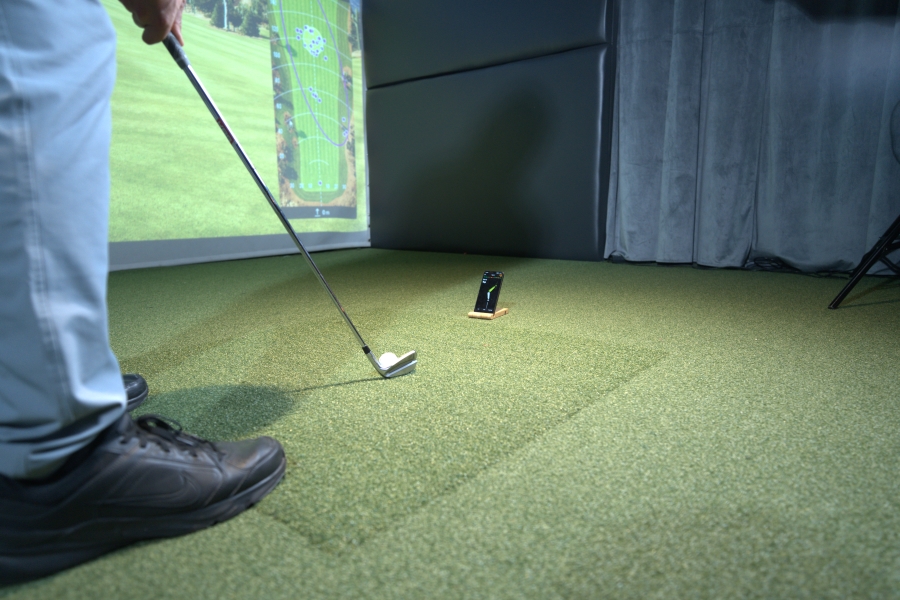
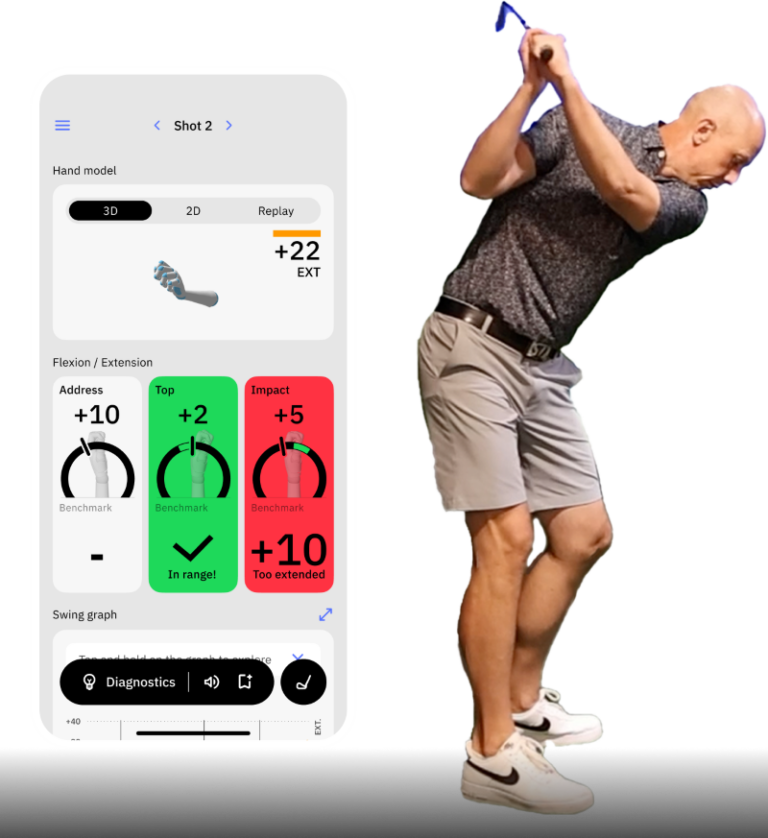
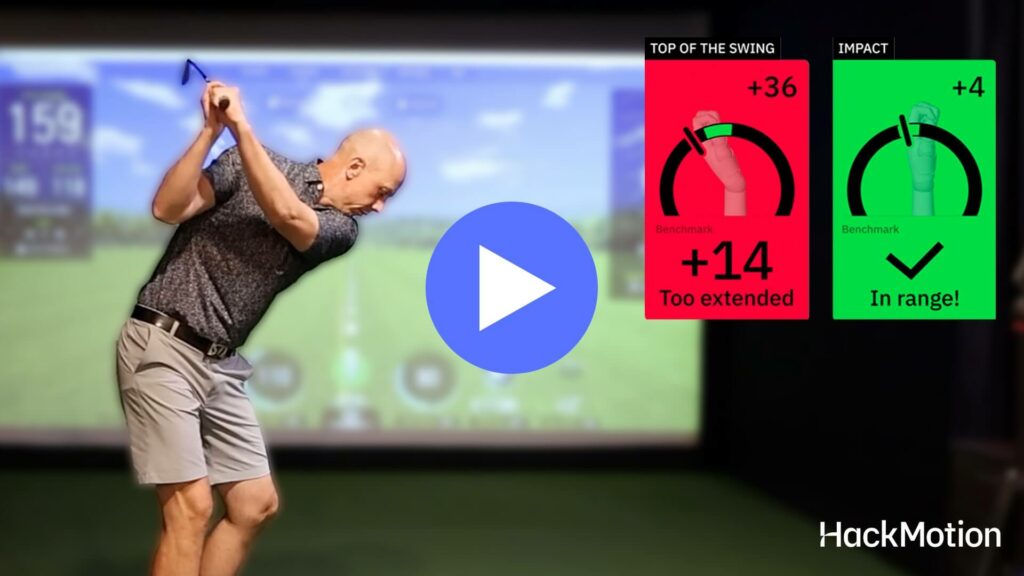
HackMotion pairs well with the Step Drill because it gives you objective feedback while you focus on sequencing and flow.
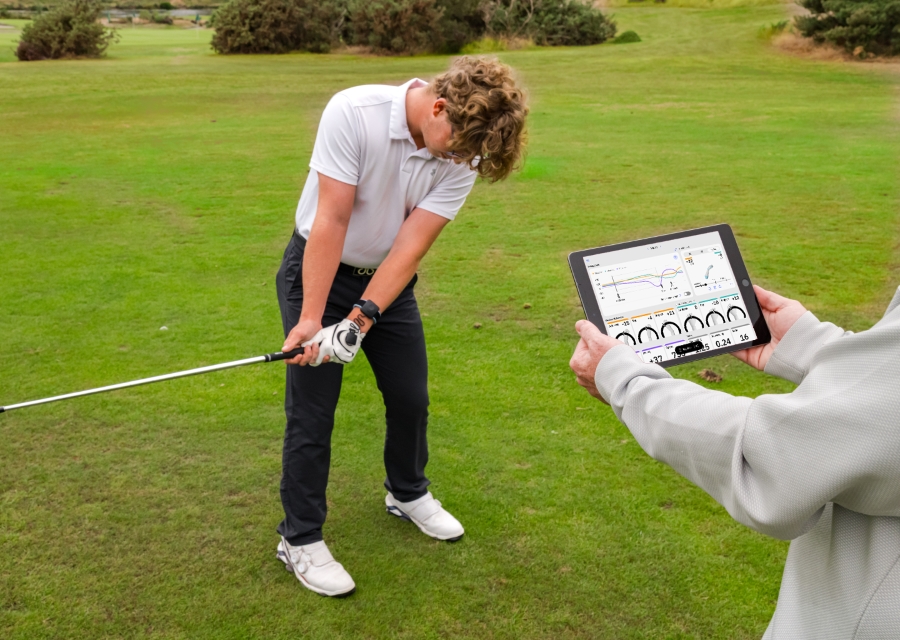
As you perform the drill, the sensor tracks your tempo and wrist movement and highlights when you fall outside recommended ranges.
Inside the app, you can review your tempo data (tempo feature available on HackMotion Pro) after each swing and use built-in drills to address patterns that show up during practice.
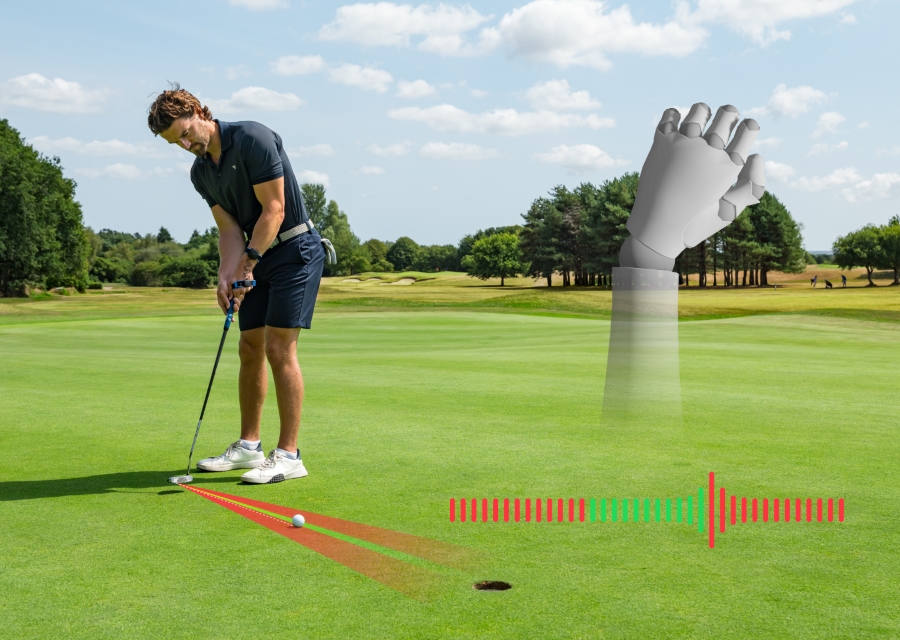
The Step Drill can also be combined with HackMotion’s metronome feature, which helps you maintain a consistent swing rhythm and alerts you when your tempo speeds up or slows down.
Want to explore other drills built into the HackMotion app?
Browse all in-app HackMotion golf drills designed to train swing path, face control, and consistency.
Common Mistakes and How to Avoid Them
Watch the video a few times to get the Step Drill down, as it is a little confusing at first.
If you’re still struggling, here are a few other things that could be causing the issue.
| Mistake | What’s Happening | Simple Fix |
|---|---|---|
| Stepping Too Early | Lead foot moves before the backswing is finished. | Wait until your hands reach the top before stepping. |
| Stepping Too Late | Step happens after the downswing has started. | Step the lead foot as the downswing begins. |
| Overstepping or Lunging | A big step throws off balance and swing path. | Use a small, athletic step and stay centered. |
| Rushing the Tempo | Fast steps and swing disrupt rhythm. | Slow the motion down and exaggerate it at first. |
Other Drills to Improve Tempo and Sequencing
When working on your swing sequencing and tempo, there are other drills that complement the Step Drill. Incorporate these drills with your Step Drill and Hackmotion to optimize your practice time and see improvement quickly.
Ball Drill
To further sync your lower body and upper body, use the ball drill. This is especially helpful for golfers who tend to rely too much on their arms.
It will help incorporate more body rotation to increase consistency and distance.
- Video Timestamp: 2:00 – 4:36
Ball Drill – Step by Step:
- Place a small basketball or volleyball between your forearms at the address position.
- As you take your backswing, keep the ball secure. This drill works best if you focus on half or three-quarter swings.
- Swing through the ball and into an abbreviated finish, all while keeping the ball safely between your forearms.
The Bump & Pump Drill
This drill will help direct all the power and consistency the step drill provides.
Focusing on wrist position and proper weight shift is a key combination for more consistent, solid contact. This drill can be performed at home or on the range.
- Video Timestamp: 8:05 – 10:02
The Bump & Pump Drill – Step by Step:
- Find a wall in your house, or if you’re on the course, a tree or a fence.
- Line up to the wall so it’s on your trailing side and impeding your backswing. Stand just within a 5-iron shaft length away.
- Manipulate your backswing so you can get to the top. It’s ok if this isn’t your actual backswing; this drill focuses on the downswing and follow-through.
- As you start your downswing, slightly bump your lead hip toward the target (away from the wall).
- As your hands start to fall, maintain wrist angles to keep the club from hitting the wall. Pump your hands forward and back about 10-15% at a time.
- This motion helps train your body for when the wall is not there.
- After 4-6 pumps, continue through the impact zone and into a full follow-through.
The Line Up Drill
A great complement to the Step drill is the Line Up drill because it also helps optimize tempo. It’s a full swing drill with little attention to minor mechanics.
If you are wearing your HackMotion while doing this drill, you can ensure that your wrist is getting in the right positions, or it will alert you when you need to make adjustments.
- Video Timestamp: 4:55 – 6:11
The Line Up Drill – Step by Step:
- Start by lining up five golf balls in a straight line that is perpendicular to your target line.
- Address the first one as you normally would and take your normal swing while focusing on tempo and clean ball contact.
- As you reach the end of your first swing, keep the club in motion and go right into your backswing for the next ball.
- Use your backswing as the time to take a small step forward so you’re set up for the second ball.
- Repeat this process for all five balls while always keeping the clubhead in motion.
- Keep track of the shots you hit well compared to those that could be better.
Final Thoughts
The Step Drill is especially useful for golfers who struggle to finish in balance or feel overwhelmed by too many swing thoughts.
By keeping the body and club in motion, it simplifies the swing and encourages better sequencing without forcing you to think about positions.
If you practice it at a controlled pace and hold your finish after each swing, the drill naturally trains rhythm and flow that carry over to the course. Drills are a great way to make any practice session more effective.