Ulnar Deviation in Golf Swing: What It Is, Why It Matters & Drills to Train It
Most golfers have heard of wrist hinge and lag, but very few talk about ulnar deviation, even though it’s one of the most important wrist movements in the swing.
If your contact is inconsistent or you tend to lose lag early, fight steepness, or “hold on” too long, ulnar deviation is almost always part of the story.
Ulnar deviation is one of the simplest wrist movements to understand when it’s explained in normal words.
Below, you’ll learn what ulnar deviation actually is, why golfers should care about it, and how it works during the swing. Then we’ll walk through a few practical drills that make this motion easy to train.
What Is Ulnar Deviation in Golf? (Simple Definition)
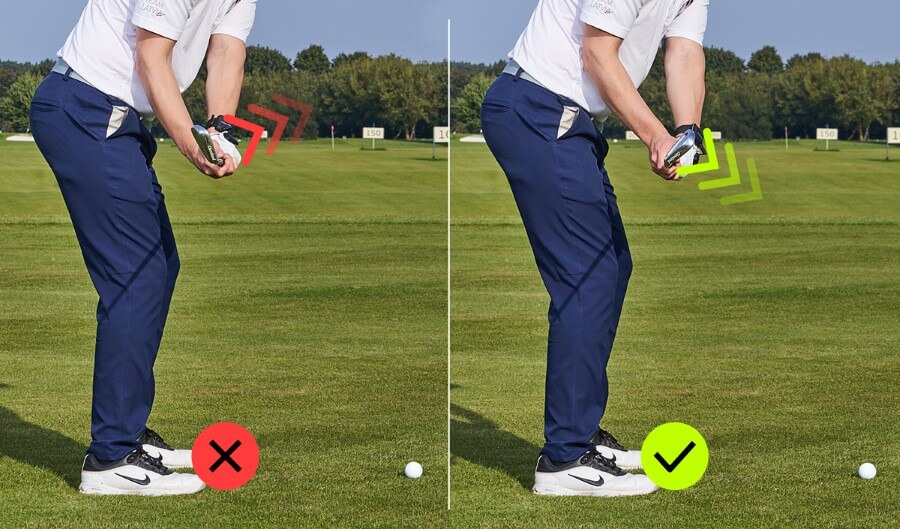
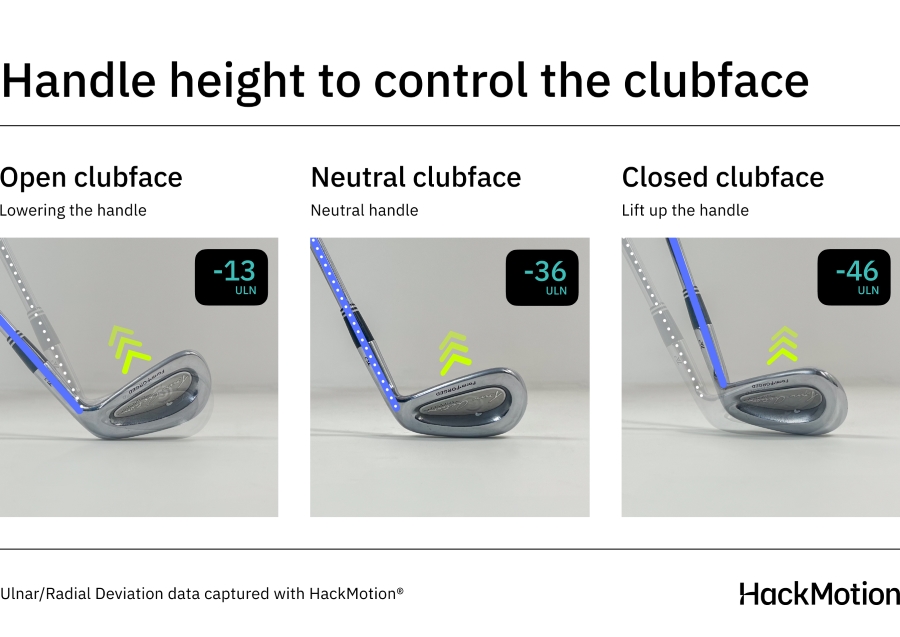
Ulnar deviation is the wrist motion that lowers the club downward, almost like the club is getting heavier in your hands.
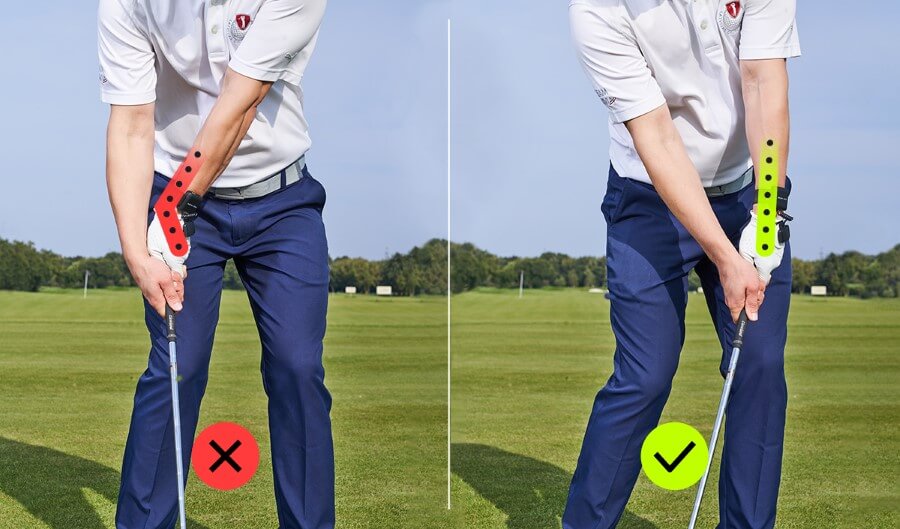
- Radial deviation = hinge the club upward
- Ulnar deviation = unhinge the club downward
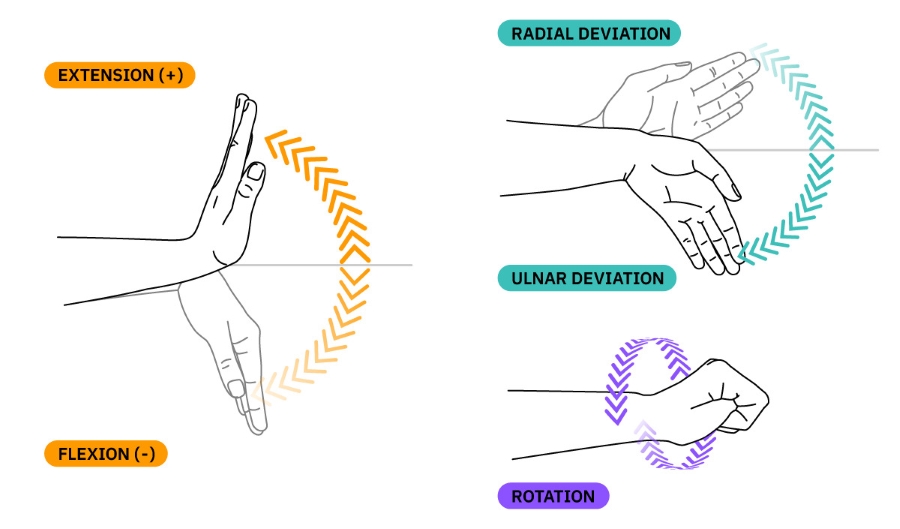
If you hold the club in front of you and let it drop toward the ground? That’s ulnar deviation.
It’s not complicated, and it’s not a motion you force. It’s simply how the wrists release as you move through the downswing.
Why Ulnar Deviation Matters for Your Swing
Even though the term sounds technical, the impact is very real.
Ulnar deviation impacts your ability to create power, make consistent contact, and create a more predictable ball flight.
Power
Ulnar deviation is a major part of how golfers generate speed.
- Release it at the right time = more clubhead speed at the bottom.
- Release it too early = weak, high shots with no compression.
- Release it too late = steep, stuck, low, weak fades.
Consistent Contact
The timing of your ulnar deviation controls the low point in your golf swing, shaft lean, and your ability to make ball first contact.
If your ulnar deviation is off, the bad timing could lead to fat, thin, or glancing contact.
A More Predictable Ball Flight
Ulnar deviation directly affects how the club returns to the ball. When it happens at the right time:
- The clubface stays stable instead of flipping closed or hanging open.
- The path stays on plane, avoiding the steep or stuck delivery that comes from a mistimed wrist release.
- Arm rotation blends naturally with the unhinging of the wrists, so you don’t fight an open face or last-second flip.
When these pieces sync up, shots start on your intended line and curve far less, leading to the dependable ball flight most golfers are chasing.
How Ulnar Deviation Works in a Real Golf Swing
Most golfers focus more on wrist hinge than specifically just ulnar deviation. The area of the golf swing where you will see the most impact of ulnar deviation is the downswing.
Here’s the sequence in simple terms:
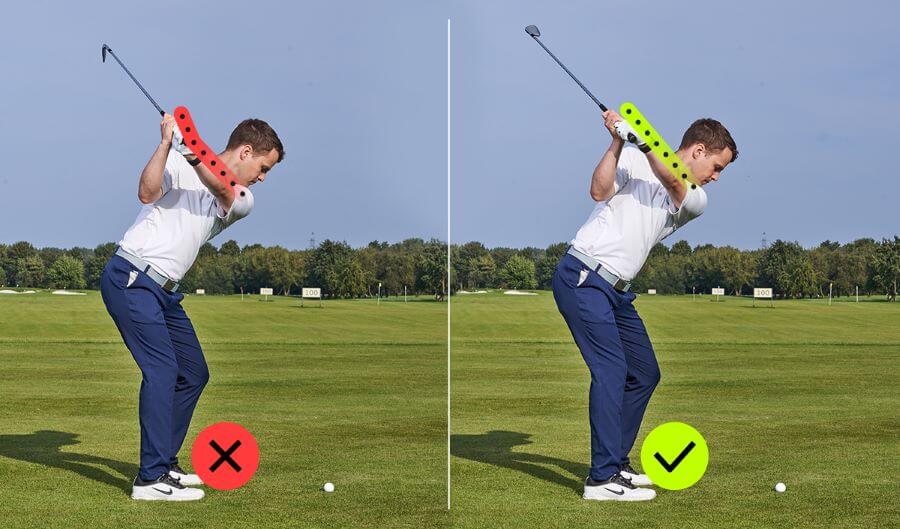
- Backswing: You mostly hinge up (radial deviation). You are not trying to do anything downward yet.
- Transition: This is the most important part, yet the part most golfers get wrong. In early transition the wrists DO NOT immediately unhinge.
- Downswing: Once your body rotates and the club gets halfway down, the wrists naturally begin to unhinge downward, this is ulnar deviation kicking in. The key is timing: Too early = casting, flipping and Too late = steep, open face, stuck delivery
The best players let the wrist angle hold through early transition, then release naturally as they rotate through impact.
Common Ulnar Deviation Mistakes
With Ulnar Deviation mostly impacting the downswing one of the most common mistakes that is seen is early unhinging or casting.
The club releases from the top instead of halfway down and you end up with weak shots, no shaft lean and poor compression.
However, some players make the opposite mistakes of trying to hold lag too long on the downswing. Holding radial deviation too long steepens the shaft and forces a late flip.
These timing issues often show up as difficulty controlling the face. If you find yourself fighting pushes, hooks, or last-second flips, see our full guide on how to square the clubface at impact.
How HackMotion Helps You Train Ulnar Deviation
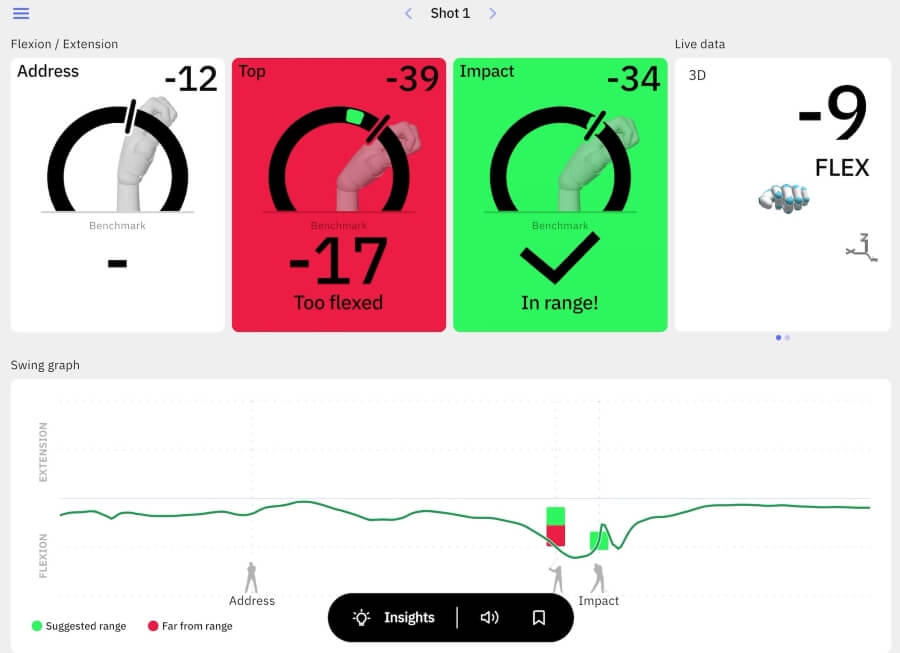
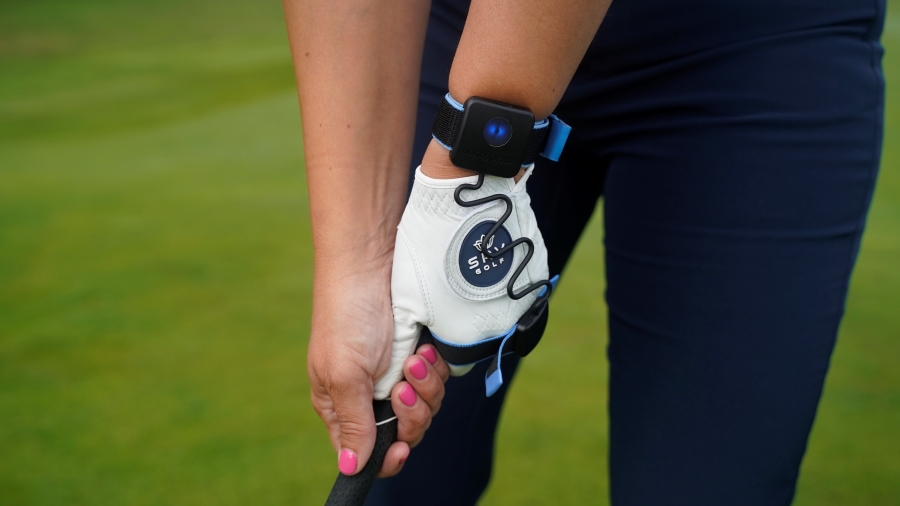
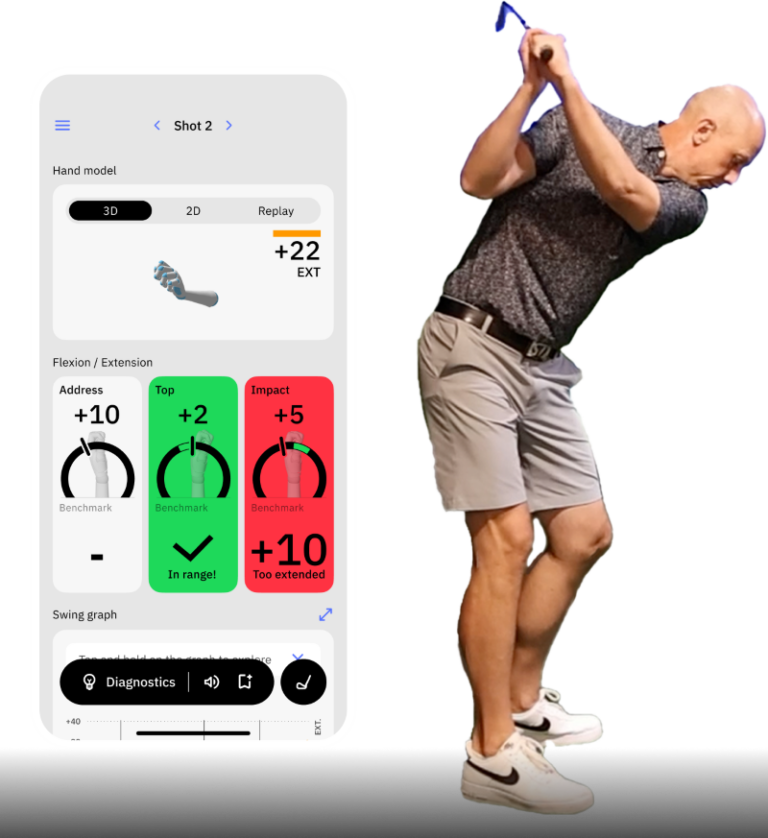
HackMotion makes ulnar deviation much easier to understand by showing exactly what your wrists are doing throughout the swing.
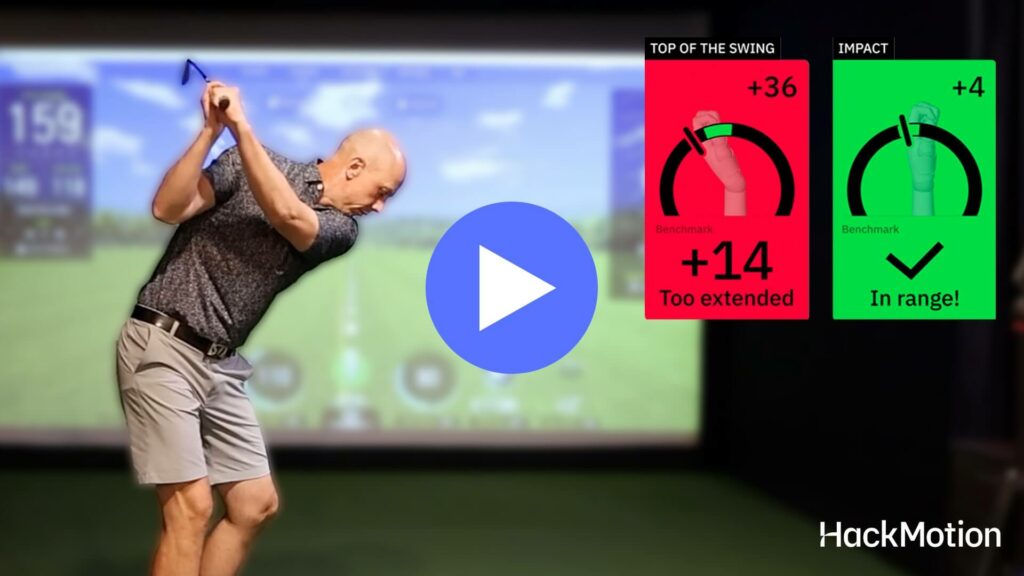
Instead of guessing, you can see your radial and ulnar deviation patterns, how much flexion or extension you’re adding, and whether you’re releasing the hinge too early or holding it too long.
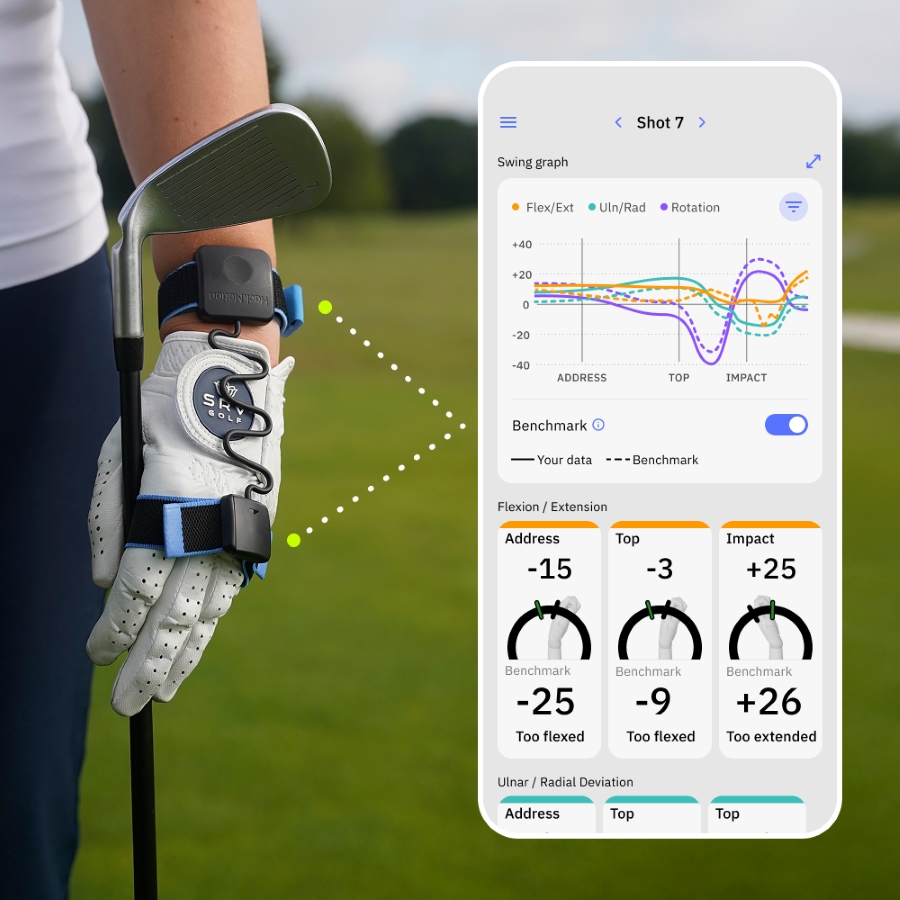
You’ll also see whether your arm rotation blends correctly with your wrist movement, one of the biggest factors in controlling steepness and face angle.
his kind of instant feedback is what turns complicated wrist mechanics into simple, repeatable movements.
If you want to dive deeper into wrist mechanics, you can explore our full wrist drills library or our guide on proper wrist action in the golf swing.
Drills to Improve Ulnar Deviation Timing
Below are three practical drills that help you sequence the wrists correctly and time your ulnar deviation later in the downswing – right where it belongs.
These drills also tie directly into HackMotion data, so you can see your patterns in real time instead of guessing.
Top Drill
The Top Drill teaches you how to reach your ideal wrist position at the top of the swing and then maintain that hinge angle in early transition.
It’s one of the best ways to train the correct timing of ulnar deviation because it prevents you from unhinging (or “dumping” the angle) too early.
Top Drill in HackMotion
Train your top position by mastering optimal wrist angles. Challenge yourself to reach the ideal wrist position during a full-speed backswing.
HackMotion Top Drill – Step by Step
- Full-Speed Backswing: Make a normal, aggressive backswing with HackMotion on—no pausing or slow motion.
- Check Wrist Angles at the Top: Briefly pause at the top and check whether your lead wrist angle is in your HackMotion green zone.
- Transition & Swing Through: From that confirmed top position, start your downswing and swing through normally. Keep the hinge stable early, then allow it to release later.
- Refine the Motion: Do a few fast backswings where you pause for a split second, then gradually remove the pause as you learn to hit your ideal top position at full speed.
Casting Drill
Early casting (early ulnar deviation) is a power killer. Many golfers release the hinge immediately from the top, losing shaft lean, steepening the path, and giving up speed.
This drill teaches you to sequence the lower body first while keeping the wrists structured long enough to store real power.
HackMotion Casting Drill – Step by Step:
- Slow Rehearsals: Make a normal backswing. Start your downswing by shifting left and rotating your hips—without pulling down with your arms.
- Maintain Trail Wrist Bend: Watch your HackMotion trail wrist extension. Keep the trail wrist bent back as you begin the downswing to avoid an early “throw.”
- Arms Follow Naturally: Let the arms fall while the clubhead lags behind your hands. The hinge should stay intact in early transition.
- Progressive Speed: Start with slow-motion reps and gradually add speed while keeping the same hinge pattern.
Faldo Drill
The Faldo Drill is ideal for players who overswing or struggle to control the top of their motion.
By presetting the hinge early, you remove excess arm travel and build a compact backswing that makes ulnar deviation easier to time in the downswing.
HackMotion Faldo Drill
Reach a solid Top position with just the right amount of wrist hinge.
HackMotion Faldo Drill – Step by Step:
- Preset Wrist Hinge: From address, raise the club until it’s parallel to the ground. This should create roughly 90° of hinge. Confirm the position with HackMotion.
- Turn the Shoulders: From that preset hinge, complete your backswing using your shoulder rotation rather than adding extra arm lift.
- Avoid Overswinging: Keep your arms and wrists quiet so the top stays compact and repeatable.
- Gradual Reps: Start slow to learn the feeling, then increase speed as your pattern stabilizes.
Final Thoughts
Ulnar deviation isn’t a movement you “add” to your swing. It’s a movement you time correctly.
When the wrists hinge up in the backswing, stay stable in early transition, and release later in the downswing, the club drops into the slot, the face stabilizes, and speed builds naturally.
If you struggle with casting, flipping, steepness, or inconsistent contact, this is one of the fastest fixes available, and HackMotion gives you instant feedback so you’re not guessing. Track your hinge, train your release pattern, and let ulnar deviation work the way it’s supposed to.