Golf Yips Explained: Causes, Fixes & How to Get Rid of Yips in Your Swing for Good
Golf swing yips happen to golfers at every level, even the best players in the world. They show up as an involuntary jerk, freeze, or hesitation right when you’re trying to make a simple stroke.
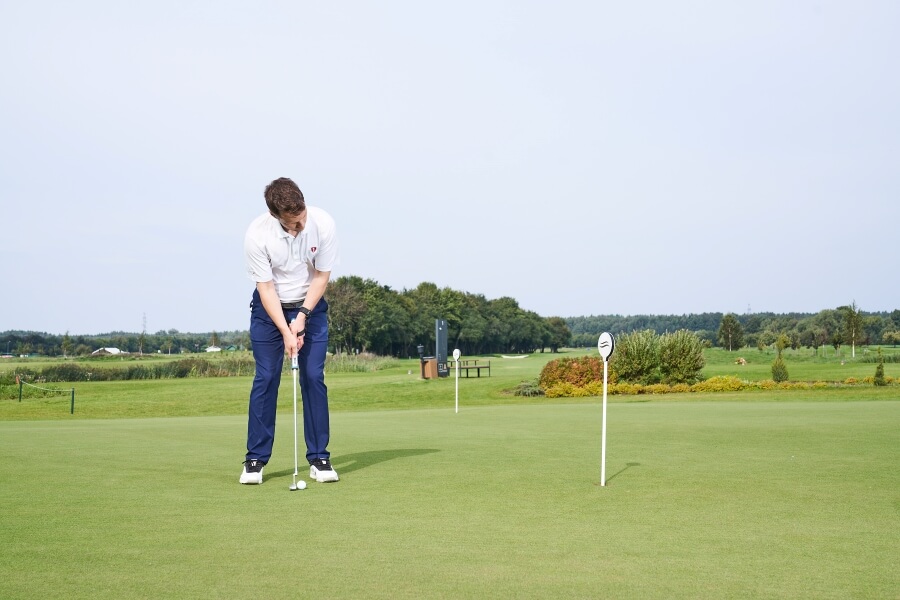
Most golfers feel it most on the greens, but the yips can affect chipping, pitching, and even full swings.
They’re a mix of physical tension and mental interference, and once they start, they can be hard to shake without a clear plan.
The good news is that the yips are fixable. With the right drills, better wrist control, and some ways to get your mind and body working together again.
Golf Yips (Key Takeaways)
- The yips are a mix of involuntary physical tension and mental interference, not just a “nervous” mistake.
- They can affect putting, chipping, pitching, or full swings – anywhere your motion becomes overly controlled or disrupted.
- Identifying your specific trigger (pressure, mechanics, routine, or setup) is the first step in fixing the problem.
- Simple, repeatable drills help restore feel, rhythm, and confidence – especially when paired with measurable feedback.
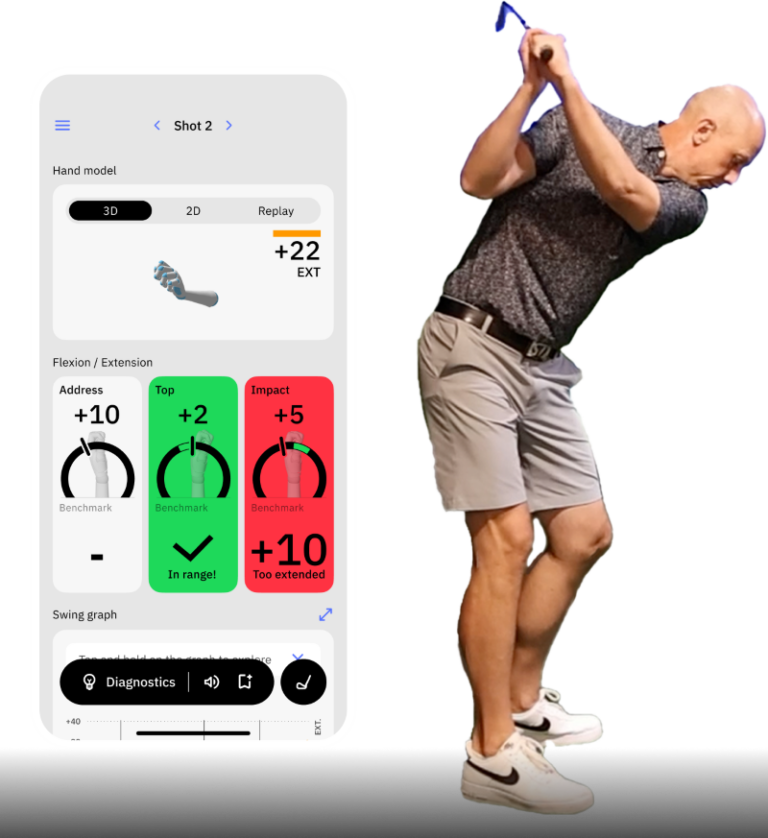
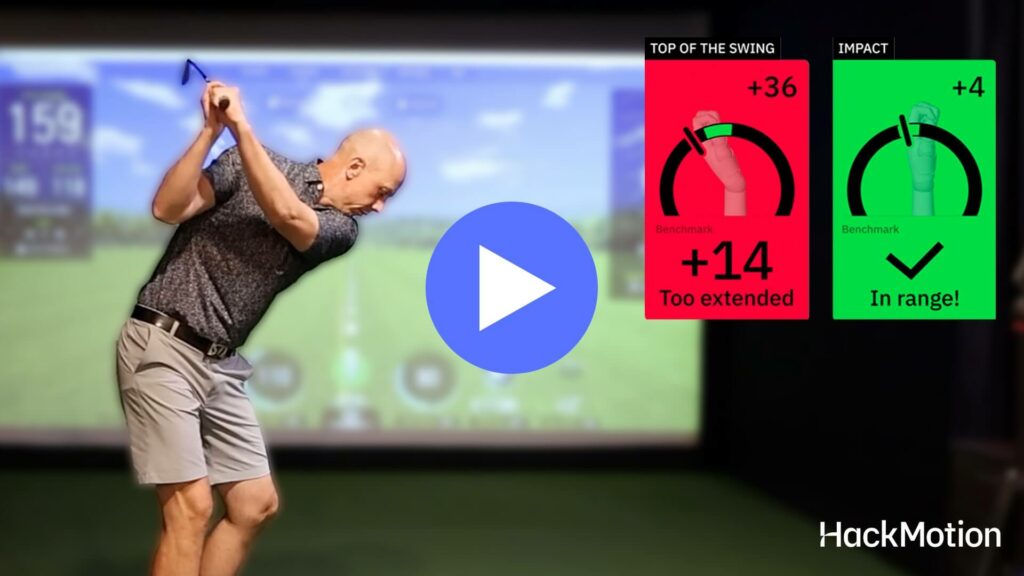
- Using HackMotion to monitor wrist stability gives you objective data you can trust, helping you rebuild a smooth, consistent motion.
Contents
What Are the Yips in Golf?
The ‘yips’ refer to a sudden, involuntary problem when making a stroke and are most common in putting. Golfers with the yips may twitch, jerk, or freeze just before or during a swing, causing them to miss even simple shots.
Experts believe the yips are both a physical and psychological issue.
Physically, it may involve a muscle spasm or tremor. Psychologically, they can be triggered by anxiety, nervousness, or overthinking during a crucial moment.
The yips most often affect experienced players who are frequently under pressure. It can be a frustrating and persistent problem that sometimes lasts months or years. Overcoming the yips often requires both physical and mental adjustments.
Why the Yips Happen?
The yips can show up for different reasons, and they often feel personal to each golfer. But almost every case falls into one of three categories: physical, mental, or situational.
Understanding which one applies to you is an important first step. Once you know why the yips are happening, you can match your practice and drills to the actual cause instead of guessing.
Physical Causes
Physical yips happen when the body loses its normal ability to make a smooth, coordinated motion.
Instead of the hands and arms responding automatically, something interrupts the pattern usually at the last second.
Common physical triggers include:
- Involuntary twitches or spasms during fine motor movements (especially in putting).
- Fatigue, overuse, or age-related decreases in motor control.
- Tension that disrupts the brain’s normal signals to the hands and wrists.
- Breakdown of muscle memory under pressure, causing a jerky or hesitant stroke.
Mental Causes
Mental yips show up when pressure, fear of failure, or overthinking interrupts the automatic motions you rely on. Instead of trusting your stroke, your mind takes over and that’s when hesitation or tension creeps in.
Common mental triggers include:
- Anxiety or performance pressure that makes a simple shot feel high-stakes.
- Overthinking the mechanics mid-stroke instead of allowing natural motion.
- Fear of repeating a past miss, which increases tension and hesitation.
- Loss of trust in your ability, causing the hands to tighten or “freeze.”
- A cycle where thinking about the yips actually makes them more likely to appear.
If the mental side of the yips affects you most, take a look at our guide on how to stay calm in golf.
Situational Causes
Situational yips appear when the environment or moment adds extra pressure. Even confident golfers can tense up when the stakes rise or when something feels unfamiliar.
Common situational triggers include:
- Crucial putts or shots that directly affect your score or match.
- Tournament conditions, crowds, or playing with higher-level competitors.
- Unfamiliar greens, unusual lies, or changing weather that disrupts routine.
- Moments that remind you of a past yip episode, bringing back old tension.
Feeling watched or judged, which increases self-consciousness during the stroke.
If your yips show up most when the stakes feel high, explore our article on playing golf under pressure.
How to Cure the Golf Yips: Simple Steps That Actually Work
Fixing the yips requires a mix of mechanical resets, mental clarity, and simple, repeatable feels.
Use the steps below to retrain your motion and rebuild confidence under pressure.
Recognize and Accept the Problem
Understand that the yips are common and nothing to hide. Go ahead and admit to the problem so that you can start to work on getting rid of it.
What to do: Say it out loud or write it down. Naming the issue removes tension and helps you approach it logically.
Relax and Reset Your Approach
Step away from stressful situations and focus on slowing everything down. It’s amazing what a deep breath can do at times.
What to do: Before every practice stroke, take one slow breath in and out to release tension from your hands and wrists.
Change Your Routine
A small routine shift interrupts the pattern that triggers the yips. Routines are really important in golf and if you’ve been good about following one sometimes all you need is a quick change to it to see a big difference.
What to do: Add one new cue count “1-2” in your head, tap the putter once, or rehearse a mini stroke before stepping in.
Choose a Different Focus
A new focal point keeps your brain from obsessing over the miss.
What to do: Pick one neutral focus like “smooth tempo” or “soft hands” and commit to it for the entire practice session.
Stabilize Your Wrists
Most yips involve excess wrist movement or tension at impact.
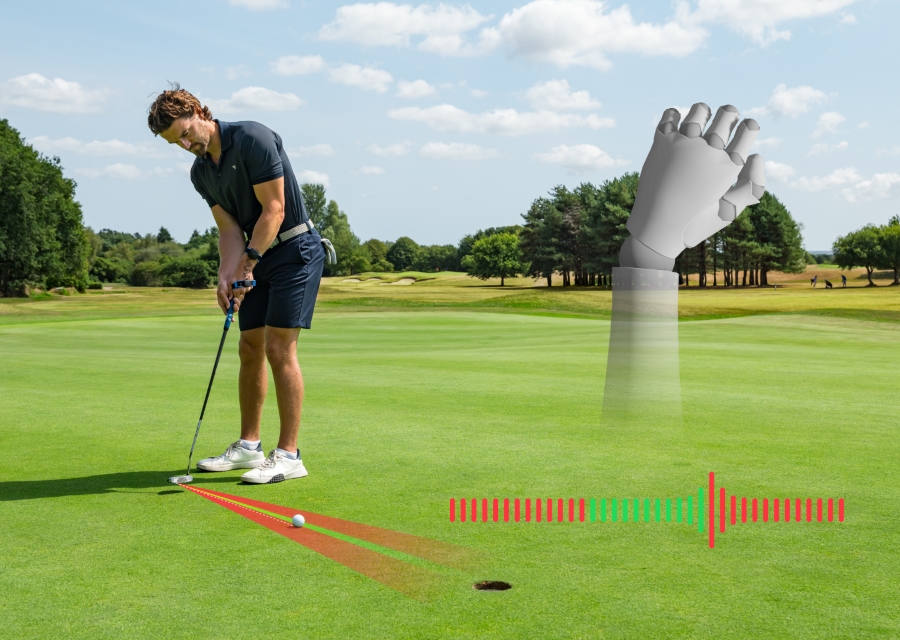
What to do: Feel your lead wrist stay steady from start to finish. With HackMotion, track your wrist angle and try to repeat the same number every stroke.
Modify Your Grip or Equipment
New grips disrupt old muscle-memory patterns tied to the yips. Sometimes the grips themselves are worn, and that’s what causes you to struggle.
What to do: Try claw, cross-handed, or pencil for five minutes each and see which one immediately reduces tension.
Practice Short Putts with No Pressure
Short, simple strokes help rebuild trust without fear.
What to do: Roll 20 putts from three feet with no target, focus only on the motion, not the result.
Utilize Training Aids
Tools help remove doubt by providing structure and feedback.
What to do: Use HackMotion to monitor your wrist stability, aim for consistent readings to rebuild confidence through measurable progress.
Maintain a Growth Mindset
The yips don’t disappear overnight, but progress compounds quickly.
What to do: Keep a simple note on your phone titled “Wins” and record one improvement each practice session.
Struggling with the yips can feel overwhelming, but you don’t have to figure it out alone. Our HackMotion-verified coach directory connects you with instructors who specialize in wrist-mechanics feedback—helping golfers rebuild confidence and consistency much faster.
Drills to Eliminate Golf Swing Yips
Since the yips have such a mental aspect to them, be sure to perform these drills with your full attention. Just going through the motions won’t cure anything, and even though you hit good shots on the range, if you’re not fully committed, your issues may return once you hit the course.
Take your time with these drills, and you can beat the yips.
Basketball Drill
Focusing on the big muscles is a great way to cure the yips in golf. It frees up the mind by preventing overthinking and encourages more natural movement.
This drill creates the sensation of a one-piece golf swing by keeping the upper and lower bodies in sync. And all you need is a small basketball or volleyball.
- Video Timestamp: 1:58 – 4:35
Basketball Drill – Step by Step:
- Place your small basketball between your forearms and keep it supported as you grip your club.
- Take half practice swings to ensure your torso is rotating with your lower body while the ball stays secure.
- You can hit balls but avoid taking full swings. The goal is to regain good feel and rhythm, so your entire body works together.
Alignment & Swing Plane Drill
Going back to the basics and fundamentals of golf is a popular method for alleviating the yips. It will help build confidence and simplify the game, reminding you how fun it is and that you are better than you think.
Using simple alignment sticks to get your setup and posture correct will quickly put you on the road to recovery.
- Video Timestamp: 0:13 – 2:27
Alignment & Swing Plane Drill – Step by Step:
- Lay down an alignment stick between your feet and the ball. This helps you align your shoulders, hips, and feet to the target.
- Insert a second alignment stick in the ground at a 45-degree angle just outside your back foot. This represents your angle of attack and swing path on the backswing and downswing.
- You can hit balls with these two sticks with full swings and any club you like.
- Stay focused on your target and making good contact.
Dynamic Impact Drill
The point of impact is the most critical position of the golf swing. Everything we do in the swing is to ensure a comfortable and consistent ball strike.
It’s easy to overthink this and develop the yips, so use this drill to prevent and cure them.
Doing this drill with Hackmotion will compound your success, as you will have verified data of your swings and how your body is performing at this crucial point of the golf swing.
Dynamic Impact Drill – Step by Step:
- Start by addressing the ball as you normally would.
- From here, bump your weight slightly forward, rotate your hips slightly toward the target, and ensure your lead wrist is flat and ahead of the ball. The goal is to mimic your optimal point of impact position.
- From this new starting position, execute your normal swing and try to return to your initial setup/mock impact position.
- Make adjustments as needed, since you will most likely find discrepancies between your starting impact position and your full-speed impact position.
One-Minute Reset (Use This Immediately After a Yip)
Yips often cost more than one shot. Your next shot often feels rushed, or you grip the club tighter etc. A quick reset keeps the yips from taking over your entire round.
What to do (60-second reset):
- Step away from the ball and turn your back to the target for a moment. This breaks the visual pattern of the miss.
- Take one slow breath in through the nose, out through the mouth. Let your grip pressure soften.
- Shake out your hands and wrists to release tension. (This physically breaks the “freeze” response.)
- Pick one simple focus for the next shot: smooth tempo, soft hands, or steady lead wrist. Choose just one.
- Make a mini rehearsal swing with that single focus, then step in and hit the shot.
This reset takes less than a minute, but it stops the emotional spiral, relaxes the hands, and gives your brain a new pattern to follow. If you’re using HackMotion in practice, recall the wrist feel or number you trust it serves as an immediate anchor.
If you want to turn these anti-yip drills into long-term improvement, don’t miss our full guide on how to become consistent in golf.
Final Thoughts
The yips aren’t permanent with the right approach, you can retrain your motion and regain confidence. The steps and drills above will help you build a smoother, more reliable stroke so you can get back to playing the kind of golf you enjoy.
Using HackMotion accelerates that process by giving you clear wrist feedback and personalized drill suggestions based on your swing patterns. When you know exactly what your wrists are doing, you can fix the problem faster and practice with purpose.