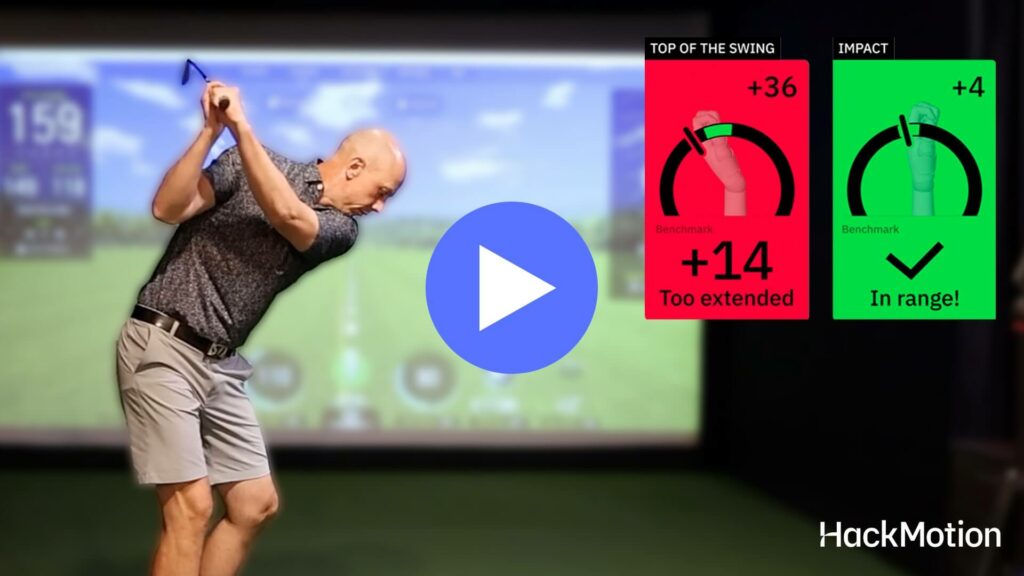
Not Taking Divots With Irons? What It Really Means and How to Fix It (Drills Included)
Most golfers know they should take a divot with their irons, but few understand why it matters, what it means if you don’t.
A divot is a reliable sign that the low point of your swing is in front of the ball, your wrists are stable, and the club is delivered on a slightly downward attack angle.
If you never take a divot, consistently hit thin shots, or feel like you “pick” everything off the turf, this guide explains why you aren’t taking divots and gives you the simple, actionable drills to fix it.
Not Taking Divots With Irons? (Key Takeaways)
- Yes, you should take a divot with your irons on most turf shots, it means your low point is in front of the ball.
- No divot usually signals a mechanical issue like flipping, hanging back, or adding loft.
- The most common causes are poor wrist mechanics, a too-centered setup, early extension, and an open clubface.
- A proper divot starts after the ball and comes from stable wrists, forward pressure, and a square face.
- Drills like the Punch-Stop Drill, Lead-Foot Pressure Drill, Toe-Down Backswing Feel, and Low-Point Line Drill help you fix this quickly.
- Improving your wrist pattern, especially reducing extension and adding flexion at impact, is the fastest path to better divots.
- HackMotion confirms whether those wrist changes are actually happening so you can build reliable, ball-first contact.
Contents
Should You Take a Divot With Your Irons?
On standard approach shots from the turf, the club should strike the ball first, then continue downward, taking a small, shallow divot in front of where the ball was.
The divot tells you that your pressure shifted toward your lead side, you delivered the shaft with forward shaft lean, and your wrists stayed stable with a square clubface.
Is it Bad if You don’t Take a Divot?
It’s not always bad not to take a divot. When you are playing tee shots or hitting from firm turf, you may not take a divot.
However, if you consistently avoid divots from a normal lie, it usually means your low point is behind the ball, you’re adding loft through impact, and you’re losing compression and distance.
Why Golfers Don’t Take Divots With Irons
While there are several causes of not taking divots with irons, a low point that’s too far back is the end result every time.
Here are the biggest reasons for not taking divots with irons.
Flipping the Wrists at Impact
The most common cause of not taking a divot is flipping the wrists at impact.
“Flipping” happens when the clubhead overtakes the hands and the lead wrist moves into extension through impact.
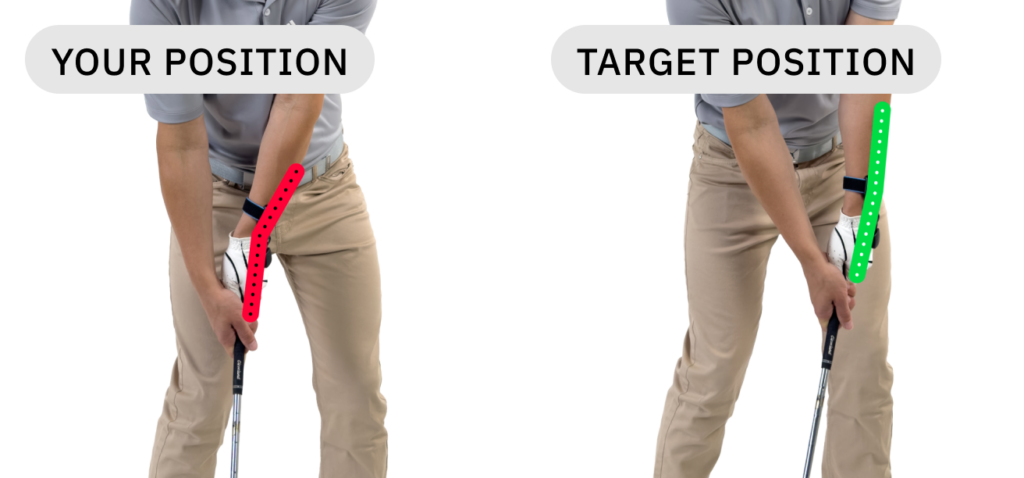
When this happens:
- The shaft loses forward lean.
- Loft increases.
- The strike becomes shallow or even upward.
- You get thin shots, weak contact, or zero divot.
Flipping happens because the clubface is too open earlier in the swing. Your body knows it can’t leave the face open, so it “saves” the shot by throwing the clubhead early.
Fix the wrist pattern and face control, and the divots show up naturally.
Poor Weight Transfer (Hanging Back)
If your pressure stays on your trail foot, the club bottoms out too early. You’ll see thin shots, topped shots when your timing is off, and a finish position that never gets fully onto your front side.
To take a divot, your pressure must shift forward before impact.
Setting Up Too Centered or Too Neutral
A neutral setup can work for some clubs in the back, but if you aren’t taking a divot, it would be better to have 55–60% pressure on the lead foot.
A little extra weight on the lead foot helps create a natural forward shaft lean, hands ahead of the ball, and a chest that’s more centered and not behind the ball.
Good divots often start with a good setup.
Early Extension
If your hips thrust toward the ball and your chest rises through impact it causes movement in the club that will keep you from taking a divot.
The handle lifts, the club bottoms out behind the ball and you essentially run out of space.
Most golfers flip to square the face. The problem with early extension is that it’s incompatible with forward shaft lean, one of the main ingredients of a good divot.
Open Clubface in the Backswing
If the clubface opens too much early in the swing, it creates excess wrist extension and a tendency to flip at impact.
This is why many golfers feel shallow but still hit weak, high, inconsistent iron shots.
Inconsistent Wrist Mechanics
Wrist mechanics are the hidden engine behind solid iron contact.
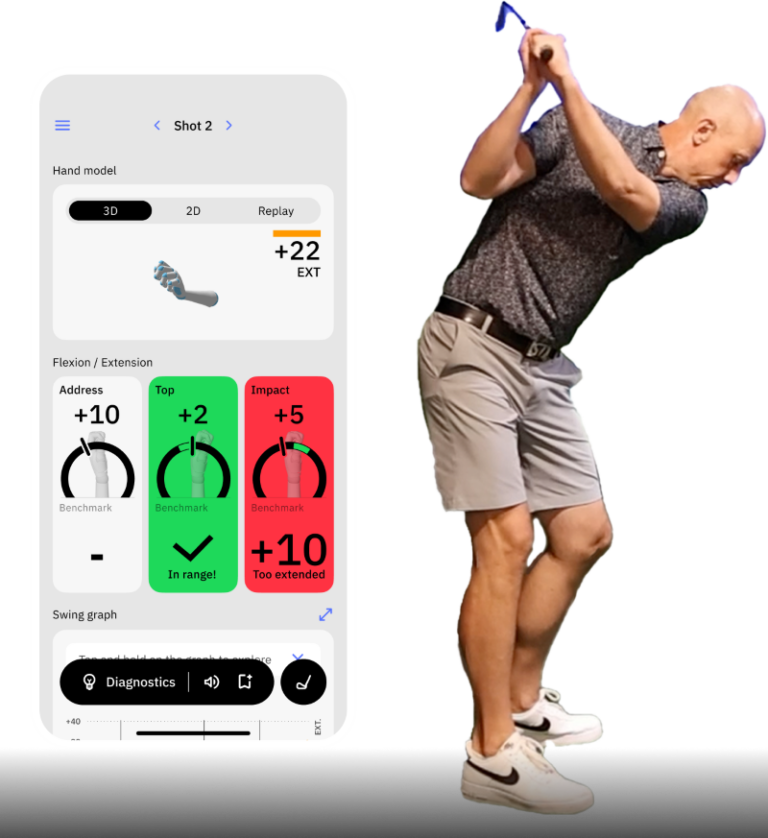
Better players typically start with a small amount of extension, reduce that extension as they move to the top, arrive in a flat or slightly flexed lead-wrist position, and then add a bit more flexion in transition to deliver the shaft forward with stability.
Struggling golfers tend to do the opposite, adding extension going back, getting heavily cupped at the top, and then flipping the club at the bottom to square the face.
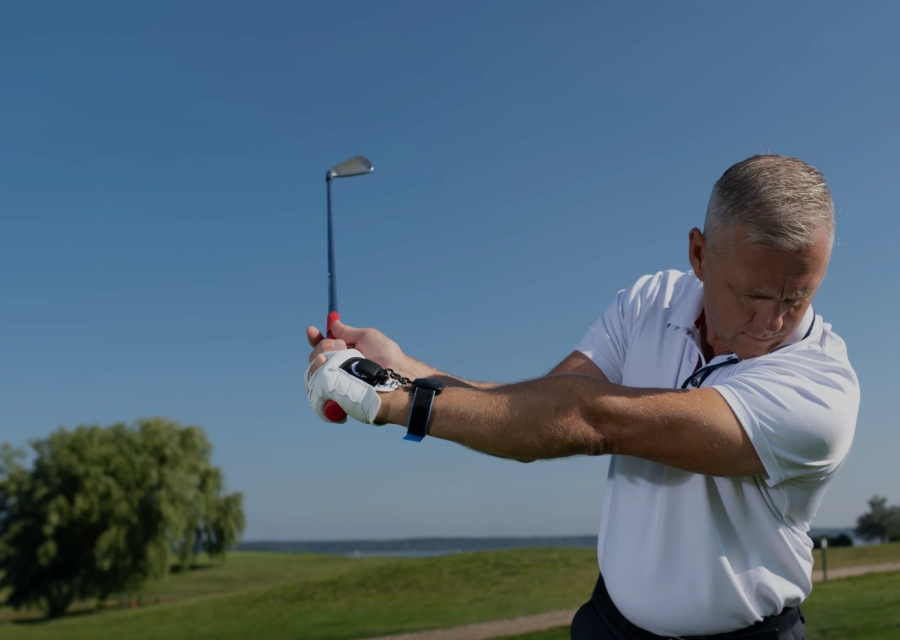
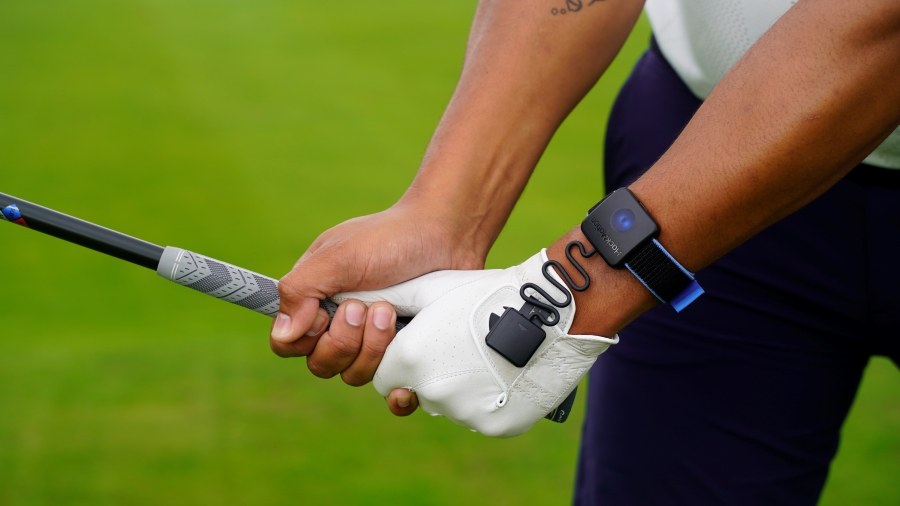
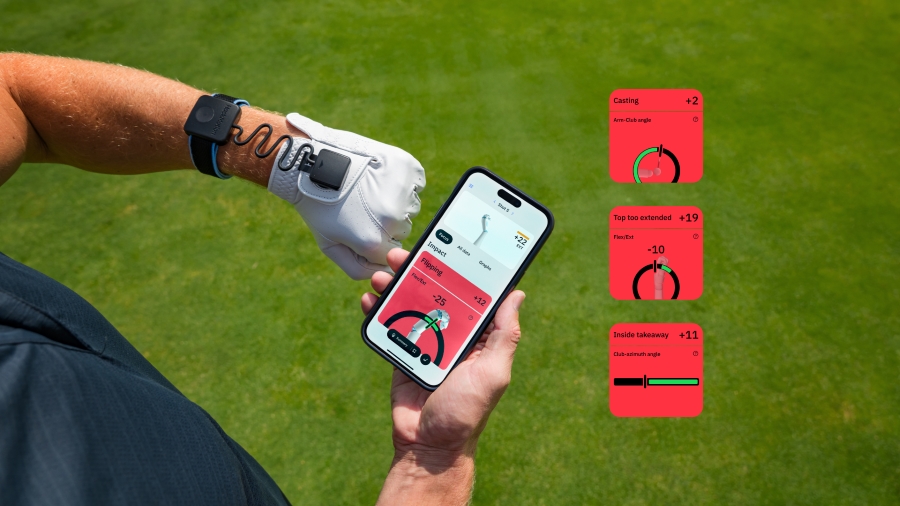
With HackMotion, you can instantly see whether you’re following a better-player wrist pattern or accidentally reinforcing the flip pattern. For drills that help you build the right mechanics, check out our guide to solid iron contact drills.
How to Start Taking Divots with Irons
Below are the most practical, high-impact drills you can use immediately to start taking a divot.
Remember that hitting the ground is different than taking a proper divot, you need to make sure the divot happens after the golf ball.
The Punch-Stop Drill (Fixes Flipping + Low Point)
The Punch Stop Drill forces forward shaft lean, lead wrist flexion and ball first contact.
It’s a simple way to learn to control your low point and strike the ball first and turf second.
The Punch-Stop Drill – Step by Step:
- Set up with slight forward shaft lean.
- Take the club back to waist-high.
- Swing down and stop the clubhead immediately after impact.
- The ball should fly low and straight.
- Watch where the club brushes the turf—aim for just ahead of the ball.
Lead-Foot Pressure Drill (Fixes Hanging Back)
If you think that setup or weight transfer could be the issue keeping you from taking divots, try this lead-foot pressure drill.
Lead-Foot Pressure Drill – Step by Step:
- Address the ball normally.
- Shift until you feel ~60% of your pressure on the lead foot.
- Keep that pressure through takeaway.
- Hit half and three-quarter shots with this feel.
If you do this correctly, the club naturally starts taking a small, forward divot.
Toe-Down Backswing Feel (Fixes the Open Clubface)
Knowing how your clubface should look throughout the golf swing can take some time and understanding.
The toe down backswing feel will help you get the takeaway correct, feel the toe just slightly down (instead of opening up).
Toe-Down Backswing Feel – Step by Step:
- Start your takeaway.
- When the shaft is parallel to the ground, feel the toe slightly down (not rolled open).
- Continue to the top, feeling the wrist stay flatter, not cupped.
- Start down by adding a bit of lead wrist flexion.
Low-Point Line Drill (Fixes Inconsistent Strike)
The low point line drill is something you can practice both indoors and out.
Many amateur players have no awareness of their low point and if you can just become more aware, it will make you a better player.
If your low point is forward, your divot will be too.
Low-Point Line Drill – Step by Step:
- Draw a line or use the hitting strip’s alignment edge.
- Place the ball just ahead of the line.
- Hit shots while trying to enter the turf on the target side of the line.
A 15-Minute Range Session for Better Divots
Once you’ve worked your way through learning these drills, you can put them together into a practice session to help you make better contact and start taking divots.
Here’s an example of a great way to practice:
Minutes 1–5: Setup & Pressure Check
- Slight lead-side pressure
- Slight shaft lean
- Swings with no ball focusing on where the club brushes the ground
Minutes 5–10: Punch-Stop Drill
- 15–20 balls
- Hands forward, stop the club early
- Look for low, compressed shots
Minutes 10–15: Blend Into Full Swings
- Keep the wrist feels
- Keep lead-side pressure
- Watch for consistent, shallow forward divots
Using the HackMotion as you practice will help you confirm a slightly flexed lead wrist at impact and a divot in the proper place.
How HackMotion Helps You Build Divot-Friendly Wrist Mechanics
Divots aren’t random, they’re a direct reflection of how the wrists, clubface, and shaft were delivered at impact.
HackMotion helps you:
- Measure how much wrist extension/flexion you actually have.
- Learn whether your backswing is causing your flip.
- Train impact conditions with real feedback.
- Build a repeatable wrist pattern that supports ball-first contact.
Instead of guessing why your divots are inconsistent, you’ll know exactly what your wrists are doing, and what to fix.
Final Thoughts
Not taking a divot with your irons isn’t a style or a uniqueness to your golf game it’s generally something you need to check on to make sure it’s not an issue with low point control.
Not taking a divot tells you something: wrist angles, weight, and clubface that you can fix with simple, targeted drills.
Use HackMotion to improve your wrist action through the golf ball and you’ll finally start compressing the golf ball and getting divots in front of the golf ball.
If you’re still not taking divots after trying these drills, a private golf coach near me using HackMotion can help you fix your low point and wrist angles fast.