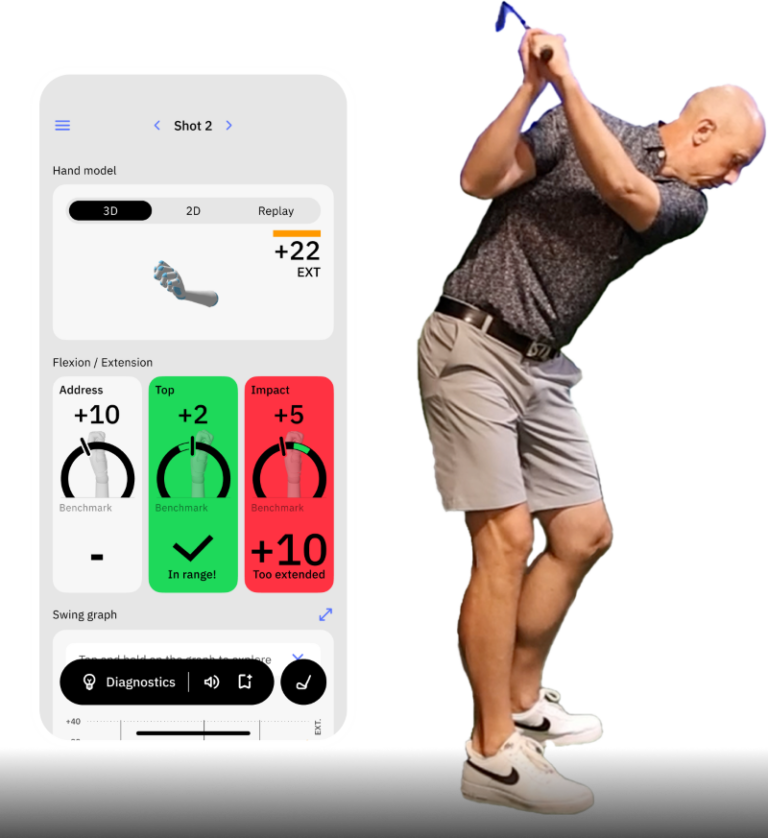
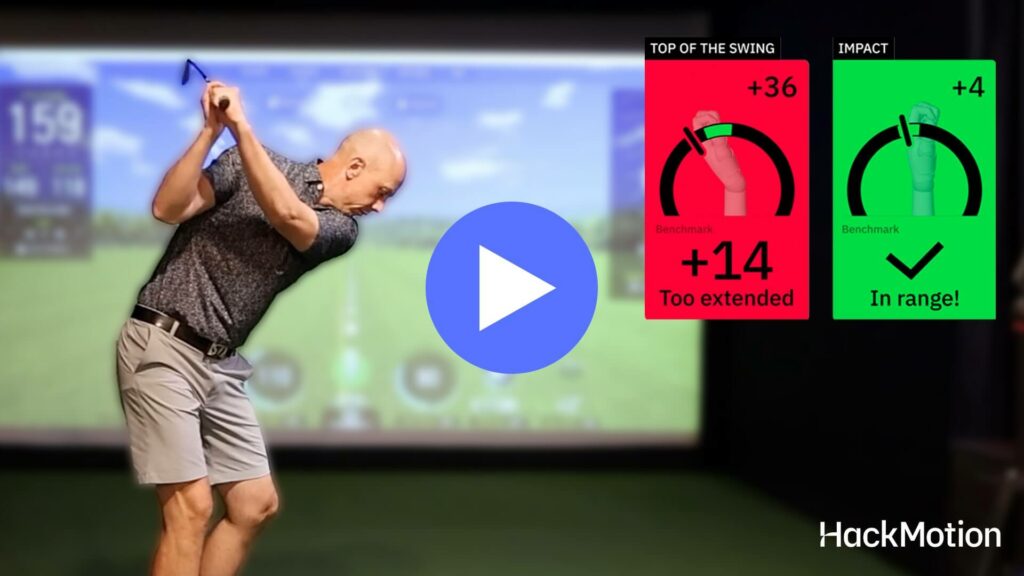
Why Am I Pulling My Irons Left? Causes, Actionable Tips & Drills to Fix It
The pull is a common error for golfers, and it often surprises them. Many players who slice their driver tend to pull the irons.
If this sounds like a mistake you make, there are a few tweaks you can make to your setup, club path, and even alignment to straighten out your iron shots.
Fixing a pull is easiest when you have a drill that helps you get the correct feeling in your iron shots.
Here are the best ways to stop pulling irons left and the drills to do it.
Pulling Irons Left (Key Takeaways)
If you don’t have time to work on fixing your pull right now and you just want a rundown of why you hit it and how to straighten it out, here are the most important things to remember:
- The pull happens because of a closed clubface or an outside to-in swing path; each of these issues could be caused by poor wrist action in the golf swing.
- Setup, grip, and alignment should be looked at first to make sure they are not causing the pull.
- To fix your pull, ensure the shoulders are dropping in from the top of the backswing and not moving closer to the ball or the target as the first move.
- Ensure your lower body is always rotating, and weight is shifting towards the lead leg in your swing; overactive arms and hands create an inconsistency with the pull.
- Drills should be used to fix the pull; it’s the easiest way to feel what the club should be doing through impact.
Why do I Pull My Irons Left?
Your iron shots are being pulled to the left because of a path problem or a clubface problem at impact!
For golfers who pull to the left, the clubface is either shut or closed, or the path is moving from the outside in also commonly referred to as over the top.
There are some tricks you can use to determine exactly why you pull. Take a look at this video from Hank Haney as he breaks down why you are pulling.
If you are someone who slices the driver but pulls the irons, that is one of the most common swing faults in the game!
How to Stop Pulling Irons Left
Now that you know why this happens to you, let’s examine how to correct the pull.
It’s easiest to work through these fixes while using your HackMotion.
Check the Amount of Flexion at Impact
At HackMotion, we have analyzed more than 1,000,000 golf swings, and having flexion in the lead wrist at impact is something that all of the best ball strikers do.
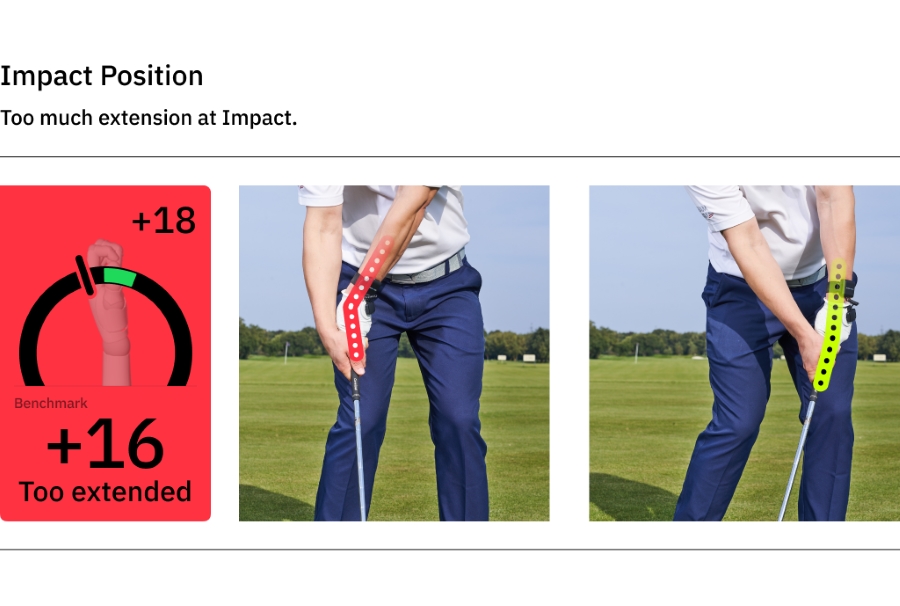
However, this flexion could be too much. The clubface is shut in these situations, and the ball will pull to the left.
Take a look at the top of your backswing and see what your wrist position looks like. If it is flexed or slightly flexed, you are in a great place for a strong and powerful strike.
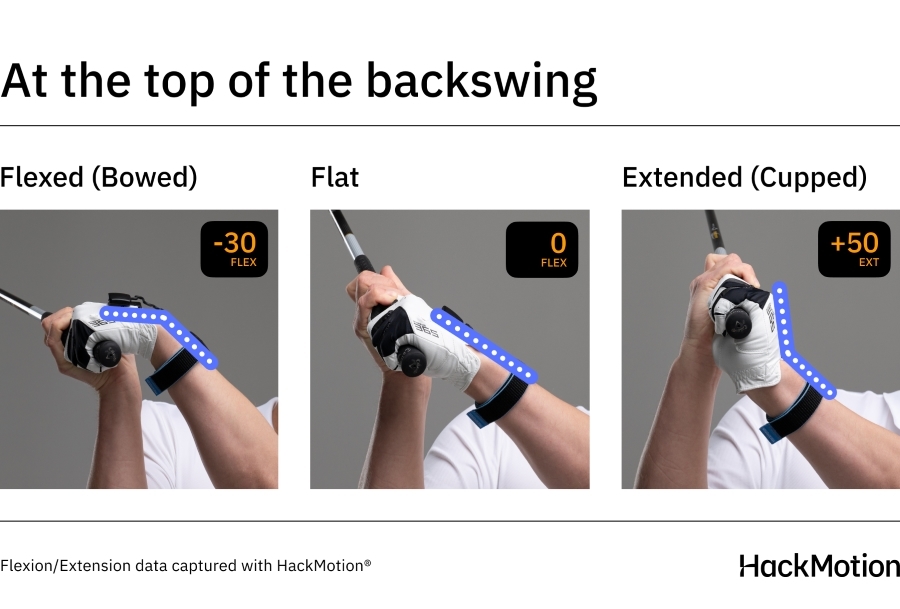
If the wrist is instead very bowed, it could cause your pull. In this situation, look at golfers like Collin Morikawa and Dustin Johnson. They are, like you, very bowed at the top of their backswing.
However, these players are able to use their bodies efficiently and rotate quickly to make sure the clubface is delivered square.
For most amateur players, the key is a flat lead wrist at the top of the backswing.
If pulling your irons left keeps showing up despite these fixes, use our directory to find a golf coach near you who uses HackMotion to train proper wrist conditions, clubface control, and a neutral delivery.
Fix the Early Release
The early release is often called flipping. This happens to good players as they approach impact and quickly realize their clubface is incorrect.
At this point, they use their hands to close the clubface. This often feels like the clubhead is racing past your hands too early.
You’ll notice the forearms and wrists releasing before the golf ball and club make contact.
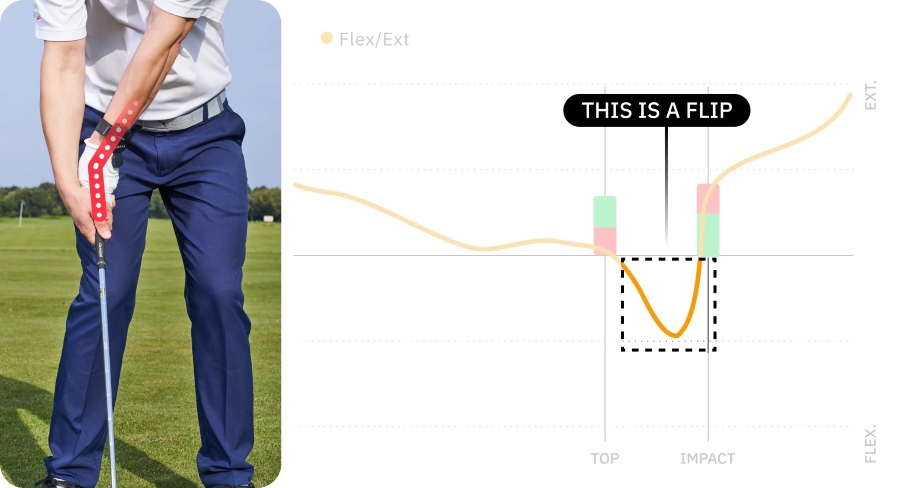
Interestingly, the cause behind this problem is the exact opposite of the one we just discussed in the section above.
If you release early and flip it, your clubface is too open as it approaches impact.
The easiest way to fix this is to use your HackMotion to get a flat lead wrist position at the top of the swing.
Get the Club Path Correct
The outside-in swing path is a major cause of pulled iron shots. Even if your clubface is square, if you start swinging from the outside-in, the ball will pull to the left.
Try to work on the club path by setting up a barrier of some sort on the outside of the swing path line. For instance, you can take a pool noodle and put it outside of the ball you are trying to hit.
As you swing through, don’t hit the noodle; hit the ball more from the inside!
If you think your outside-to-in club path makes the pulled shot more common, be very careful about the transition you make from the top of your backswing down. An overactive upper body can lead to outside movement.
Check Alignment and Hips at Setup
Little mistakes you make at setup and during the takeaway can make a pulled golf shot more common.
When you set up to hit, make sure you are not aiming too far to the right of your target. Sometimes, this setup can encourage a more out-to-in path. Use alignment sticks to set up a square.
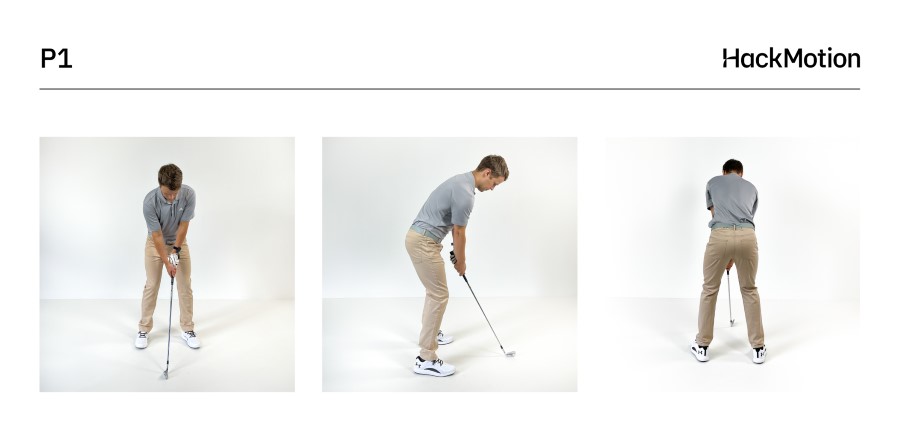
In addition, the hips should be angled just a little more up as opposed to square or even down. This angle up gives room for the golf club to drop into place as part of the downswing.
Finally, when you take the club back, ensure that the face is square and does not shut down too quickly.
Move the Ball Position Back
Once you have all of these other issues figured out, just make sure the ball position is correct.
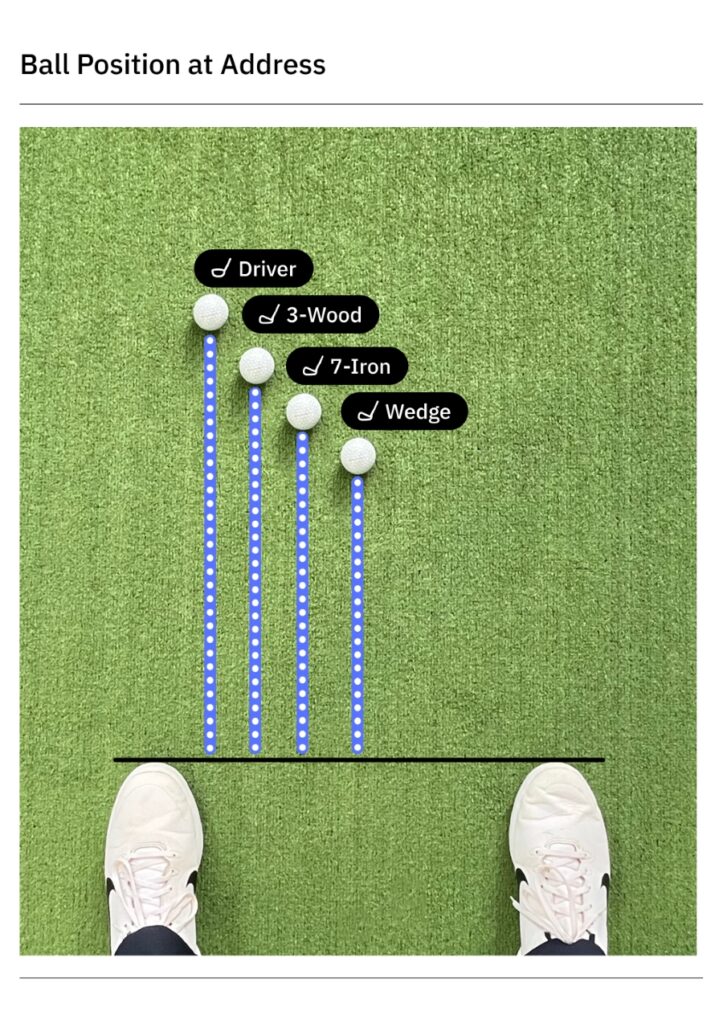
If you are doing everything properly in your swing but leave the ball a little too far forward in the stance, the clubface will be slightly closed when it makes contact with the ball.
Place the ball in the middle of the stance on your mid-iron shots and make adjustments from there.
Drills to Stop Pulling Irons Left
Sometimes, the pull shot feels so good you can’t even believe what is happening when you see your ball flying 20 yards left of your target.
Here are three drills you can use to stop pulling and really feel what it’s like to hit straight iron shots with a square clubface.
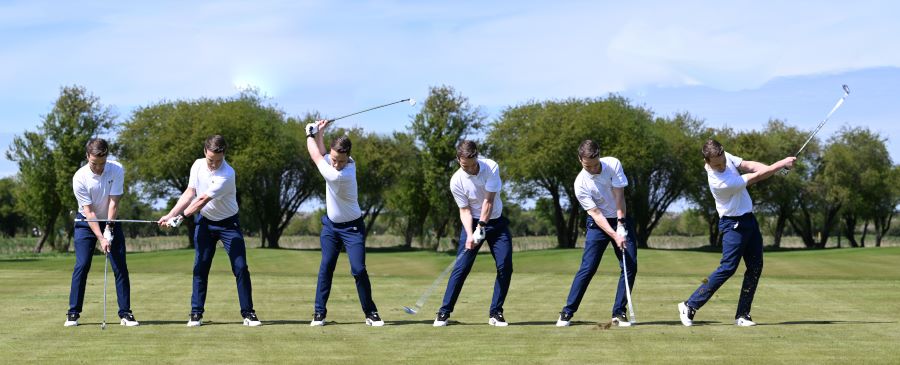
Arm-Lowering Transition Drill (Justin Rose Feel)
Many pulls start when the hands move out toward the ball too early from the top. That outward hand path forces the club over the top and left.
This drill teaches you to let the arms drop before rotating, which helps neutralize the swing path.
Arm-Lowering Transition Drill – Step by Step:
- Swing to the top of your backswing and pause.
- From the top, feel your arms lower straight down before you rotate your body.
- Keep your back facing the target briefly as the arms drop.
- Once the arms lower, rotate through and hit the shot.
- Start with slow swings and build speed gradually.
What it should feel like: Arms falling instead of chasing the ball, less effort with the hands, the club approaching from a more neutral or inside path.
Hit Hard, Stop Quick Drill
Pulled irons often happen when the clubhead overtakes the hands too early through impact.
This drill trains proper shaft and lead-arm alignment so the release happens later after the ball is gone.
- Video Timestamp: 3:11-5:00
Hit Hard, Stop Quick Drill – Step by Step:
- Set up with a mid-iron and make a short backswing.
- Swing through the ball with intent, but stop the swing just after impact.
- At the stop, the shaft should still be trailing or roughly in line with the lead arm.
- Make sure your weight has fully shifted onto your lead side.
- Start with small swings and slowly add speed while keeping the same finish.
What it should feel like: Solid, compressed contact, hands staying ahead of the clubhead, no flipping or rolling to square the face.
Casting Drill (Control the Wrist Angles in Transition)
A common cause of pulls is losing wrist angles too early in the downswing. When the wrists unhinge prematurely, the club often moves across the ball and the face gets manipulated late.
This drill trains you to keep those angles intact longer.
Casting Drill – Step by Step:
- Make a slow backswing to the top and pause.
- Start the downswing by keeping the angle between your lead arm and the shaft.
- Rehearse this motion slowly without a ball.
- Hit short shots at 50–70% speed, focusing on “not casting.”
- Add speed only once the motion feels controlled and repeatable.
What it should feel like: The club falling into the downswing instead of being thrown, more time to rotate through impact, straighter start lines with fewer pull-left misses.
Final Thoughts
Pulling shots is not the end of the world; chances are, you are doing some good things in your golf game. You must make these tweaks to time it correctly and square the clubface.
The HackMotion will help you get your wrist position perfect.
The wrists control the angle of your clubface, which is an important factor in fixing your pulled iron shots.