Senior Golf Distance Chart: How Far Should You Hit It (And How Seniors Can Get More Yards Back)

Most senior golfers expect to lose distance, but very few understand why it happens or how much of that loss is completely preventable.
Distance doesn’t drop because you’re “getting older.” It changes because mobility decreases, rotational speed slows, and wrist mechanics become harder to control.
Most seniors can regain 10–20 yards simply through better efficiency, smarter setup, and improved wrist release.
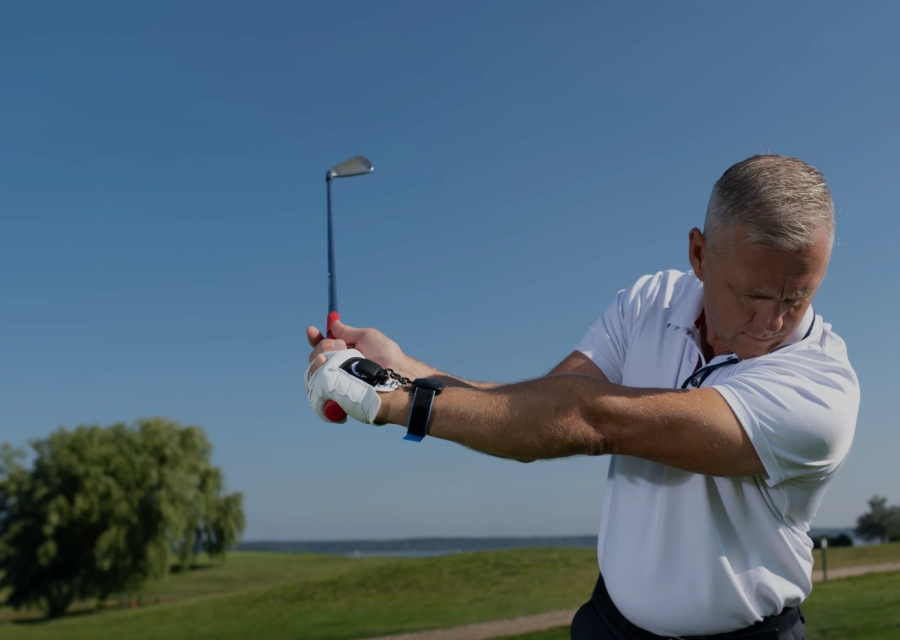
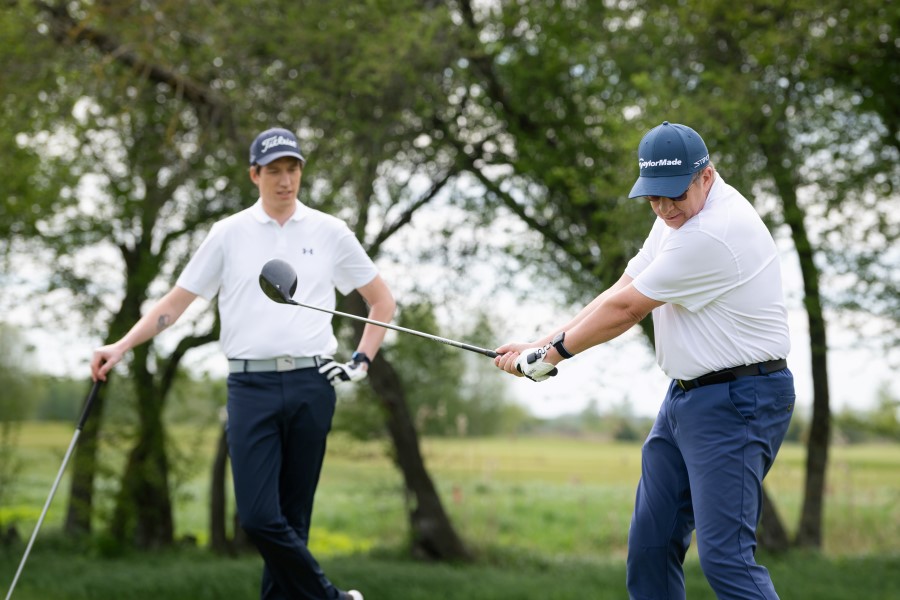
This guide includes senior-specific distance charts, explains the real reasons distance changes, and walks you through senior-friendly drills taken directly from a HackMotion speed-training video.
Key Takeaways
- Senior golfers follow predictable distance patterns based on age and swing speed, not handicap.
- Distance declines often come from reduced rotation and early wrist release not physical strength.
- Seniors can gain 10–20 yards through better rotation, longer hand path, and improved wrist mechanics.
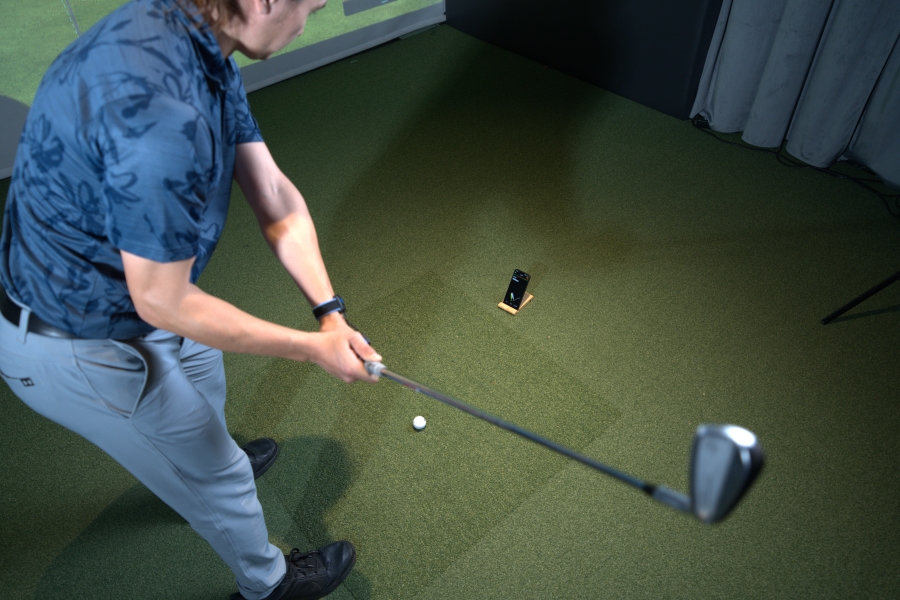
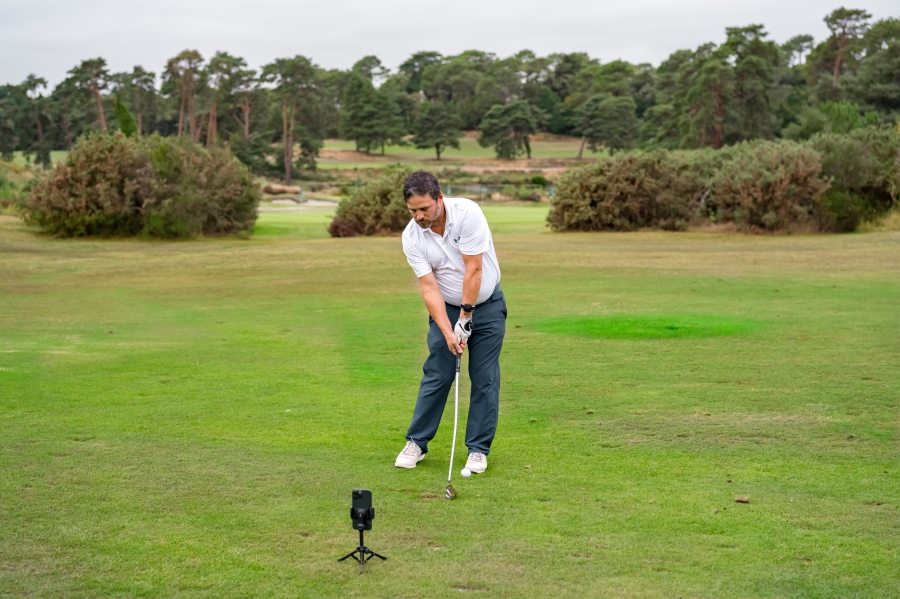
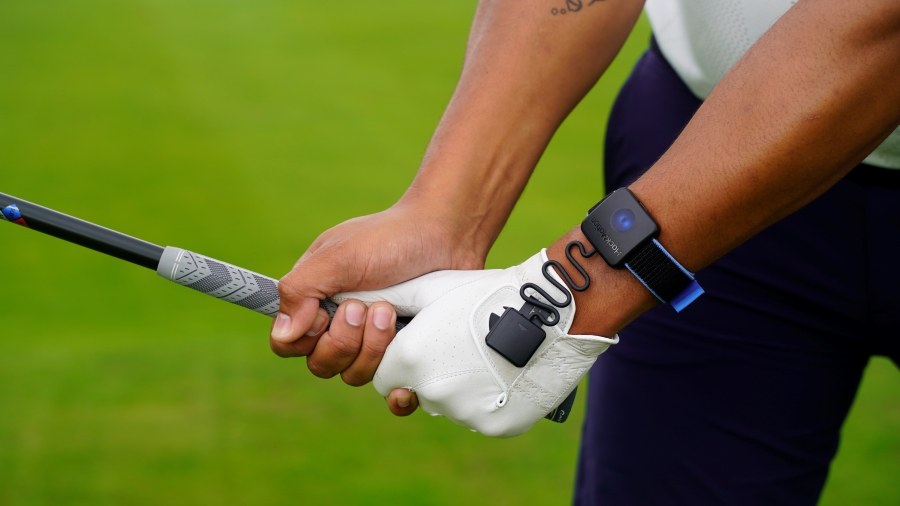
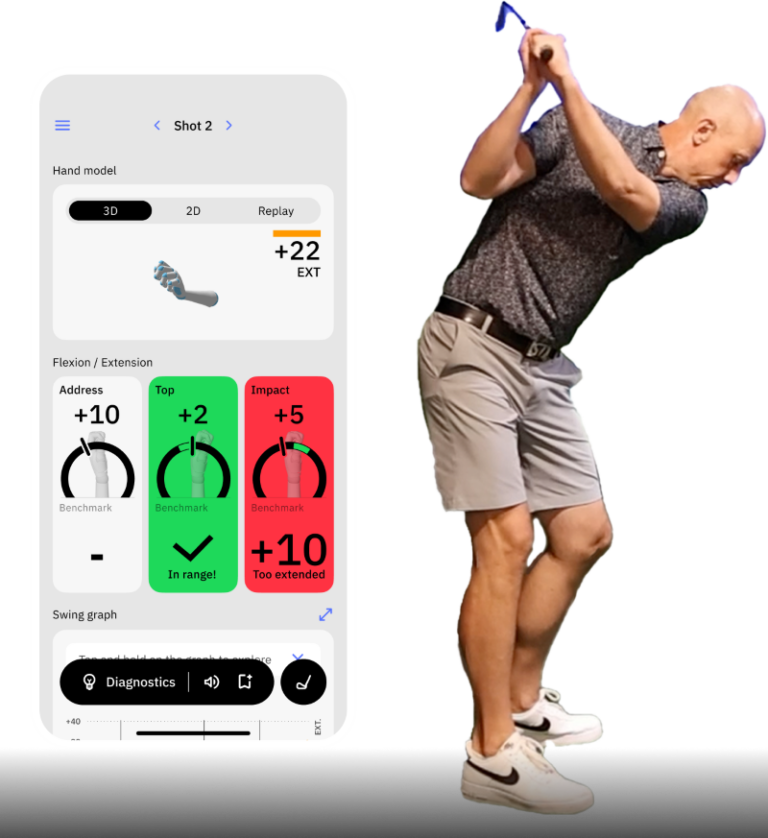
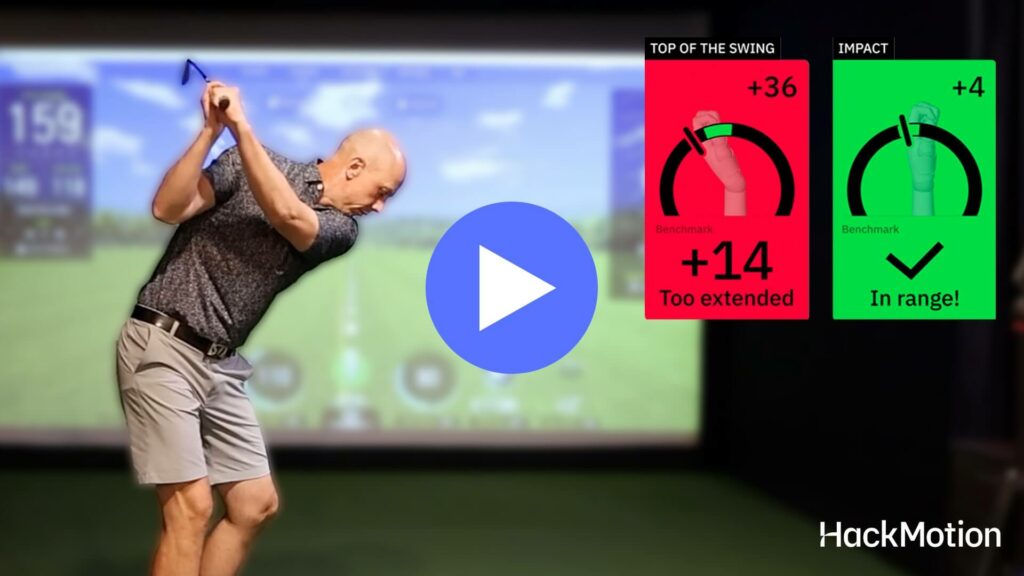
- HackMotion helps seniors measure wrist hinge, release timing, and extension at impact a major cause of distance loss.
- The drills below are taken directly from our speed-training video and are ideal for seniors who want safe, consistent distance gains.
Contents
Senior Golf Distance Chart (By Age Range)
There are a few different ways to look at distance from senior golfers. Sometimes you can look at age, but also swing speed.
Here’s a brief look at driver distance averages based specifically on age.
| Age Range | Typical Driver Distance |
|---|---|
| 50–59 | 215–225 yards |
| 60–69 | 200–210 yards |
| 70–79 | 185–200 yards |
| 80+ | 160–185 yards |
If you fall anywhere within these ranges, your distance is normal. If you’re below them, it’s usually because of sequencing or release patterns, not necessarily age.
If you’re close to these yardages but want a clearer plan to improve, start with some simple, senior-specific fundamentals. Our guide to golf tips for seniors walks through setup, tempo, and body-friendly adjustments that make it easier to keep your distance as you age.
Senior Golf Distance Chart (By Swing Speed)
If you change things up a little and look at swing speeds, here is a typical look at driver distance.
Even a small improvement in swing speed (3–5 mph) can add 10–15 yards, especially when paired with better wrist mechanics measured with HackMotion.
| Driver Swing Speed | Typical Driver Distance |
|---|---|
| 95 mph | 225–240 yards |
| 85–90 mph | 200–215 yards |
| 75–80 mph | 180–200 yards |
| 65–70 mph | 155–175 yards |
Typical Senior Distances by Club
Driver distance tends to get all the attention. However, its really important to look at all the clubs in your bag and see what the averages are across the bag.
One of the most important things to look for is gapping. If you see you have a hybrid that flies 160 and your next iron only flies 140 you have issues that need attention in the bag.
| Club | Typical Senior Distance |
|---|---|
| Driver | 185–200 yards |
| 3-Wood | 170–180 yards |
| Hybrid | 150–165 yards |
| 6-Iron | 130–140 yards |
| 7-Iron | 120–130 yards |
| 8-Iron | 110–120 yards |
| 9-Iron | 100–110 yards |
| PW | 90–100 yards |
This chart is especially helpful when choosing lay-up targets or evaluating whether it’s time to adjust your set makeup.
Why Seniors Lose Distance (The Real Reasons)
Distance loss is rarely about “strength.” In fact, some seniors who work on the correct mechanics end up gaining distance as they age simply because they become smarter, more efficient players.
Here are some of the main reasons seniors lose distance:
- Reduced Rotational Mobility: A shorter turn means a shorter backswing, which limits how far the hands can travel and how much speed you can create.
- Shorter Hand Path: That shorter backswing creates less space to accelerate the club on the way down. Seniors often underestimate how important this is for distance.
- Early Wrist Release / Added Extension: Most seniors add excess extension at impact or release the club too early, which costs them 10–20 yards. This is one of the easiest patterns to measure and fix with HackMotion.
- Poor Contact Consistency: Heel strikes, low-face hits, and slight glancing contact all reduce distance even with the same swing speed.
- Incorrect Sequencing: Many seniors “rush” from the top, which slows the club down instead of speeding it up.
Senior-Friendly Distance Drills
If you’re looking to increase distance as a senior golfer, it needs to be done through efficiency, not effort. Swinging harder rarely helps and often makes things worse. What actually creates speed at this stage is a longer hand path, a smoother sequence, and a properly timed wrist release.
The senior golf drills below help you turn more freely, create speed earlier in the downswing, and release the club without flipping or adding unwanted extension.
When paired with HackMotion’s real-time wrist feedback, these drills give seniors the clearest and safest path to adding extra yards.
Longer Hand Path Backswing Setup Drill
Increase rotation and create the space needed for more swing speed.
This drill improves your ability to turn without forcing your body into uncomfortable positions. By turning your feet outward and letting your knees change flex, your hips immediately gain more range of motion.
Seniors often feel like their backswing is “short”, this drill fixes that by giving your hands more room to travel.
This change is one of the safest ways for seniors to add speed without “swinging harder.” For more upper-body friendly options you can mix into your routine, see our dedicated guide to senior golf driving tips.
Longer Hand Path Backswing Setup Drill – Step by Step:
- Turn both feet slightly outward to open your hips.
- Drop your trail foot back a few inches to create a staggered stance.
- Allow your knees to change flex naturally as you rotate.
- Turn fully until your hands reach their maximum comfortable height.
A longer hand path equals more potential speed, even if your body isn’t as explosive as it once was. HackMotion helps you confirm you’re still maintaining wrist hinge at the top.
The P6 “Pull Down and Stop” Drill
Most seniors accelerate at the wrong time, usually too late. This drill teaches your body to create speed earlier where it actually matters.
Stopping quickly at P6 (shaft parallel to the ground) helps you feel the correct sequence: fast hands early, slower hands late, powerful release through impact.
The P6 “Pull Down and Stop” Drill – Step by Step:
- Hold an alignment stick or light club.
- Make a full backswing using your new, longer hand path.
- From the top, swing down as fast as you can to P6.
- Stop immediately when the stick reaches parallel.
- Repeat in sets of 5–10 swings.
The “Hit Hard, Stop Quick” Drill
The Hit Hard Stop Quick drill is one of the best wrist action drills for better compression and accuracy.
The drill forces the clubhead to release naturally at impact without throwing your hands from the top. It also prevents the rushed, overactive upper body motion that steals distance from senior golfers.
The quick stop after impact keeps your hands from racing through the ball, which encourages better shaft lean and a cleaner strike.
Hit Hard, Stop Quick Drill – Step by Step:
- Take your normal setup.
- Make a full backswing with good rotation.
- Hit the ball hard — then stop the swing as quickly as possible after impact.
- Focus on fast strike with immediate stopping.
Final Thoughts
Distance loss in senior golf is normal but it’s also highly fixable. When seniors improve their rotation, lengthen their hand path, and clean up their wrist mechanics, they often regain the yards they thought were gone forever.
The drills here are simple, safe, and specifically helpful for older golfers who want more consistency and better ball speed.
HackMotion makes this process even easier by showing you exactly what your wrists are doing during the swing whether you’re losing hinge, releasing early, or adding extension at impact. With less guesswork and more feedback, the path to keeping your distance becomes much clearer.
One last thing seniors often overlook is putting. Even if you never gain another yard off the tee, shaving 2–4 putts per round has a huge impact on scores.
If distance loss has you hitting more mid-irons into greens, you’ll want to tidy up your short game – our best putting tips for seniors article shows you how to steady your stroke and hole more of those 3–10 footers.