Worse After Golf Lessons? Why Feeling Worse Is Normal (And Often a Good Sign)
Most golfers expect a lesson to feel like a quick tune-up: a pointer here, a tweak there, and you walk away flushing it. Then the next round shows up…and nothing feels right.
If that sounds familiar, you’re not doing anything wrong.
Feeling worse after a lesson is one of the most normal parts of the learning process. In fact, most golfers improve because they go through this uncomfortable stage.
If you want to understand why you are worse after lessons, what happens to make you worse, and some ways to get through that slump faster, we have you covered.
Getting Worse After Golf Lessons? (Key Takeaways)
- Feeling worse after a lesson is a normal stage of motor learning, your brain is rewiring.
- Old habits fight back before new ones settle in.
- Even pros exaggerate positions (Justin Rose is a perfect example) because feel rarely matches real.
- A temporary handicap jump (12 – 15 – 10) is common and expected.
- Poor coaching is different from temporary inconsistency. Know the difference.
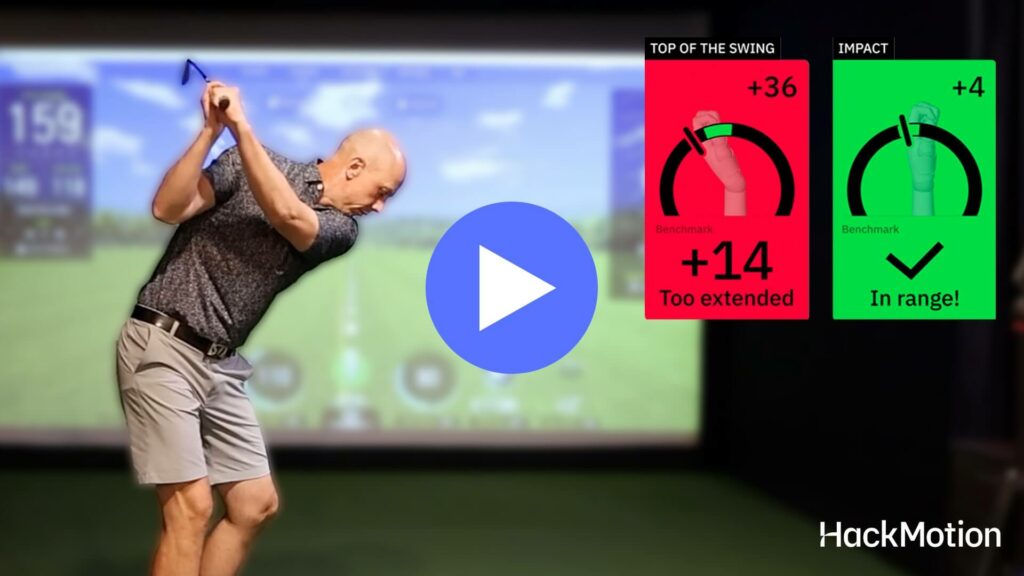
- HackMotion helps improve between lessons by giving real-time, at-home feedback.
- The goal is long-term mechanics, not instant perfection.
Contents
Why You Sometimes Feel Worse After a Golf Lesson
Before breaking this down, it helps to understand what’s really happening.
Golfers often assume a lesson gives them a “new move” they can plug in immediately. But that’s not how motor learning works.
What actually happens is you enter a transition stage. Your old pattern is fading and sometimes even feels lost. The new pattern hasn’t taken over yet, so you’re stuck kind of in the middle ground.
It’s uncomfortable, and you’ve probably only had a few really good swings that help you know what’s right/wrong.
Amateurs face another challenge, and that’s a misconception about what you’re doing and what you think you’re doing. You might swear your grip is neutral now, or that your wrist is flat at the top, but video or HackMotion data will often show you’re still living in your old pattern.
That disconnect alone can make you believe you’re “worse” when really you’re just now becoming aware of what’s been happening all along.
When you add in the physical reality of learning any new movement, loss of coordination, temporary tension, and inconsistent contact, it’s easy to see why golfers feel like they’ve taken a step backward.
A 12-handicap going to a 15, then becoming a 10, isn’t unusual. It’s common.
1. Your Brain Is Rewiring Old Patterns
Your golf swing is stored in your brain as a learned sequence. When your coach introduces a new wrist position, takeaway, or grip change, your brain has to overwrite the old pattern.
That “overwriting” feels clumsy.
Golfers often take that discomfort as failure. If you can hang with it, you’ll learn it’s actually progress. Your brain is learning a new sequence while simultaneously fighting the urge to fall back into the old one.
2. New Mechanics Feel Wrong Before They Feel Right
This is the part no one tells you about.
If you have what could be considered a “flawed” golf swing, it still probably feels smooth to you at times.
New mechanics feel wrong, and they don’t immediately look better on the course. Your brain needs some time to recalibrate.
They feel like:
- You’ve never held a club before
- Your timing is off
- Some swings are great, some are terrible
- Everything requires way more concentration
3. Breaking Old Habits Is Harder Than It Seems
Golfers underestimate how strong old patterns are. If you’ve played golf for years things like a cupped wrist, a strong grip or a steep transition have become the norm for you.
Your body doesn’t just automatically accept the new move.
Old mechanics fight you on every swing. The transition period feels messy because your coordination isn’t matched to the new motion yet.
4. Unrealistic Expectations Make Normal Struggles Feel Worse
One of the biggest reasons golfers feel discouraged after a lesson is that they assume that after a golf lesson they will see an instant jump in performance. However, real improvement takes some time.
You’ll likely have to give it a few weeks to see the lessons start to work. The key is to not give up on the progress too soon.
5. Not Practicing Between Lessons Slows Everything Down
If you only practice during your lesson, you essentially hit the reset button every week. Golf improvements stick because of repetition, not explanation.
This is why so many golfers say:
“I hit it great with my coach, but terrible on my own.”
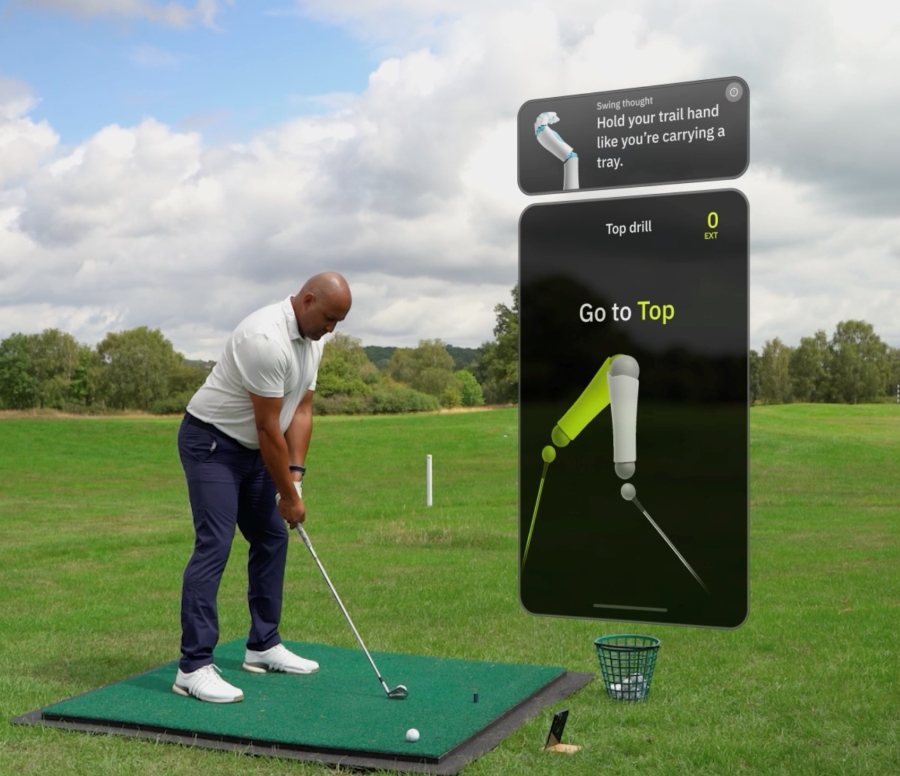
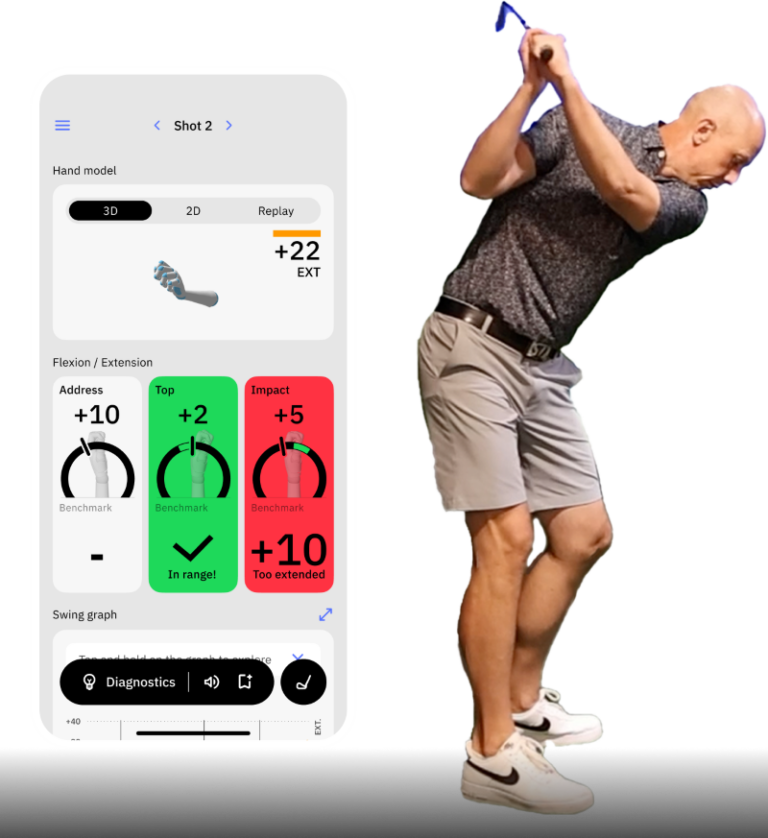
That’s a feedback problem. You aren’t getting the feedback you need to make sure the changes are sticking. And this is exactly where HackMotion becomes one of the most powerful in-between-lesson tools you can use. It gives:
- Real-time wrist data
- Instant feedback on your feels
- A way to train the swing that the coach showed you
- A way to stop guessing about positions
It’s like having your coach with you, even after you leave your lesson.
How Long Do Swing Changes Take? (Simple Breakdown)
The length of time it takes to fix your golf swing will depend on the type of change that you have tried to make.
In addition, the more time you spend working on it, the easier it is to get to a point of feeling like your swing is fixed.
Here’s a basic guide on what you can expect for the length of time needed to let swing changes sink in:
| Type of Change | Difficulty Level | Typical Time to Feel Comfortable |
|---|---|---|
| Ball position/stance width | Easy | 1–3 days |
| Alignment/posture changes | Easy–Medium | 3–7 days |
| Takeaway adjustments | Medium | 1–3 weeks |
| Wrist mechanics (top + impact) | Medium–High | 3–6 weeks |
| Transition sequencing | High | 4–8 weeks |
| Grip change | Very High | 6–12+ weeks |
When Feeling Worse Is Normal – and When It Isn’t
Now that we’ve justified that it’s ok to feel worse after a golf lesson there are times when feeling worse is a problem.
The real issues with feeling worse are when they are related to issues with your coach. Specifically if you leave the lesson with some of the following feelings and situations:
- Your coach doesn’t listen
- You leave confused or overwhelmed
- The instruction doesn’t match your goals
- There’s no plan, no progression, and no drill to practice
A poor coaching fit is a good reason to find someone new.
If you need help finding a great golf instructor, check out our complete guide here: How to Find a Good Golf Instructor. Or simply find golf coaches near you in our directory of HackMotion-certified instructors.
How to Make Your Lessons Actually Work
Just because you may feel worse after taking golf lessons doesn’t mean you have to remain feeling like that.
Start to make your lessons actually work by following some of these steps:
- Don’t judge progress for 2–4 weeks – your brain needs time to accept new mechanics.
- Practice slower than you think- slow reps build better patterns.
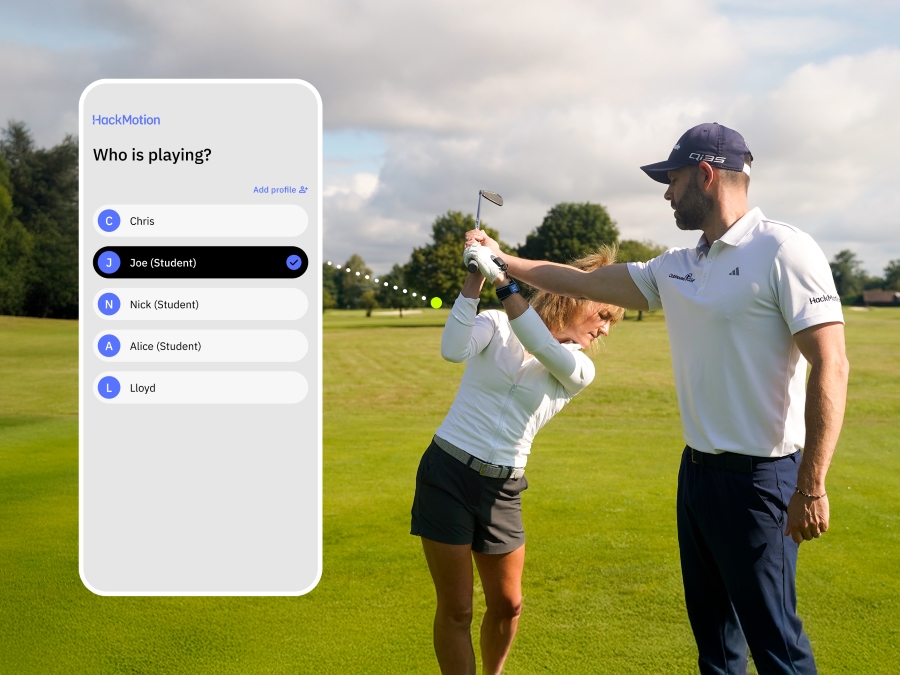
- Use feedback between lessons – HackMotion gives real-time checkpoints so the changes don’t disappear.
- Commit to a short series not a single lesson.
- Quitting after one lesson often puts you further behind than where you started.
- Leave every lesson with a simple plan.
Want to get more out of your lessons—or improve on your own? Explore our guides on how to get better at golf without lessons and how much golf lessons cost. If you’re ready for better coaching, find golf coaches who use HackMotion for data-driven progress.
Final Thoughts
If your swing feels worse after a lesson, you’re not broken you’re in the middle of the process. Golf improvement rarely happens in a straight line; it looks more like chaos, clarity, repetition, and then consistency.
Stick with your coach, lean on tools like HackMotion to give you real feedback between sessions, and give the new pattern time to settle in. The swing you’re building now is the one that will finally hold up under pressure.